Estimated reading time: 6 minutes
- The Algeciras-Tangier ferry is a key transport link between southern Spain and Northern Morocco.
- Multiple ferry options exist, with varying crossing times and schedules.
- Tangier’s port is conveniently located near the city center, providing easy access to transport options.
- Booking ahead and understanding local currency are important for a smooth journey.
- ExpertBook can be a helpful resource for arranging travel logistics and accommodations.
The Algeciras-Tangier Ferry Route: An Essential Gateway
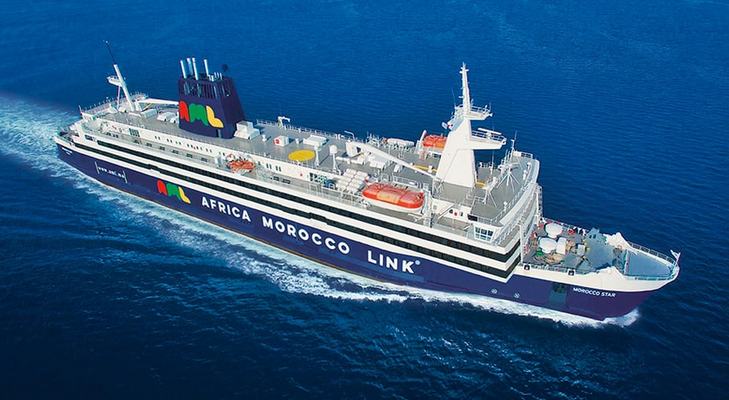
The ferry crossing from Algeciras, a bustling port city located at the southern tip of Spain, to Tangier’s port in Morocco is one of the most frequented maritime routes in the region. Algeciras serves as a significant transit hub for travelers aiming to explore Northern Morocco’s vibrant cities, including Tangier, Asilah, and beyond. The Strait of Gibraltar, although just about 14 kilometers (9 miles) at its narrowest point, is navigated daily by several ferry operators offering regular services.
Ferries from Algeciras to Tangier run multiple times per day, with schedules typically concentrated in the morning and late afternoon. The crossing duration varies depending on the type of ferry; conventional ferries take approximately 90 minutes to 2 hours, while high-speed ferries can shorten the journey to about 45 minutes. Seasonal fluctuations in frequency are common—during peak travel months from spring to early autumn, operators tend to increase the number of daily sailings to meet demand.
Booking tickets in advance is advisable, especially during holidays or weekends when the route becomes particularly busy. Travelers often use platforms like ExpertBook to explore options and secure tickets with clarity on sailing times and vessel types.
Arriving at Tangier Port: First Steps in Northern Morocco
Tangier’s port is positioned close to the city center, making it convenient for disembarking passengers to proceed with their onward journey. Upon arrival, travelers go through customs and immigration procedures. These processes are usually straightforward, but it’s recommended to have your travel documents ready, including your passport and any required visas depending on your nationality.
The port area itself offers basic facilities, but many travelers look to transfer swiftly to their accommodation or first destination in Tangier. The port is strategically located just a few kilometers from central neighborhoods such as the Medina, Kasbah, and Ville Nouvelle, the new city district.
Transport from Tangier Port to the City Center
Several transport options connect Tangier’s port to key areas within the city, each catering to different traveler preferences and budgets.
Taxi Services
Taxis are the most common and flexible mode of transport from the port to various parts of Tangier. From formal petit taxis, which operate with set rates within city zones, to larger grand taxis suitable for groups or luggage, there is a range to choose from. Negotiating fares in advance is advisable to avoid misunderstandings. A typical trip from the port to the Medina or Ville Nouvelle generally costs around 20 to 40 Moroccan dirhams (approximately 2–4 euros).
Shared shuttle services are less common but sometimes coordinated through local operators; travelers can inquire locally or on platforms such as ExpertBook regarding availability.
Private Transfer Options
For those valuing convenience and comfort—especially corporate travelers or families—private transfer services offer direct rides tailored to arrival times. These services often include assistance with luggage and border formalities, easing the transition across the ferry port. Many travelers arriving on the Algeciras-Tangier ferry find private transfer options reliable for reaching hotels such as Blue Resort or Mnar Castle, both providing serene settings slightly outside the city core, or central options like El Toro Hotel and Hôtel Étoile du Nord.
Booking private transfers through noted local coordinators, as listed on ExpertBook, ensures trustworthy drivers and competitive pricing.
Public Transport
Tangier’s public bus network is less frequently used by international travelers due to language barriers and inconsistent schedules, especially from the port area. However, if you prefer this option and have ample time, local buses do connect parts of the city, though with limited frequency.
Walking and Cycling
For those eager to start their exploration immediately and traveling light, walking from the port to nearby neighborhoods such as the Kasbah and the Medina is feasible, typically taking 20 to 30 minutes on foot. The coastal promenades and scenic streets offer a pleasant introduction to Tangier’s ambiance. Additionally, bicycles are available for rent in some parts of the city, but this is less common immediately at the port.
Exploring Tangier: Where to Stay Upon Arrival
Selecting accommodation in Tangier depends largely on your preferred experience and itinerary. For visitors arriving via the Algeciras-Tangier ferry, the convenience of proximity to the port can be a deciding factor.
For a modern and relaxed stay, Blue Resort offers a resort-style environment with leisure facilities, situated within comfortable driving distance of the port, ideal for unwinding after travel. Those seeking the charm of historic Tangier might prefer accommodations within the Kasbah or Medina, such as the traditional Riad Sultana, which blends authenticity with Moroccan hospitality.
Business travelers and groups often find Hôtel Étoile du Nord appealing due to its strategic location convenient for meetings and accessibility. Meanwhile, families or extended stay travelers often opt for larger residences like Mnar Castle, featuring sea views and resort amenities, combining space with comfort.
Platforms such as ExpertBook list a variety of lodging options near Tangier’s port area, enabling travelers to align their accommodation choice with planned activities and transport logistics.
Additional Travel Tips for Using the Algeciras-Tangier Ferry
- Timing Your Arrival: Given the variable durations of the ferry crossing, factoring in border control wait times is important. Arriving well ahead of your ferry’s departure at Algeciras port, and having onward transport arranged in Tangier, can minimize stress.
- Currency and Documentation: While euro is accepted in Algeciras, Moroccan dirham is the local currency on arrival. Having cash ready, alongside cards, is helpful for taxis and small purchases.
- Luggage and Customs: The ferry operators generally allow reasonable luggage quantities, but it’s advisable to check restrictions before travel. Customs declarations for goods should be checked in advance, especially for longer stays in Morocco.
- Weather Considerations: The ferry operates year-round, but heavy winds can occasionally cause disruptions. Spring through autumn offer the most reliable sailing conditions.
From Tangier: Connecting to Other Destinations in Northern Morocco
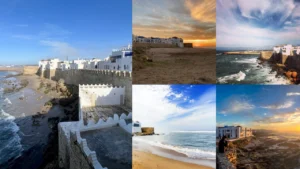
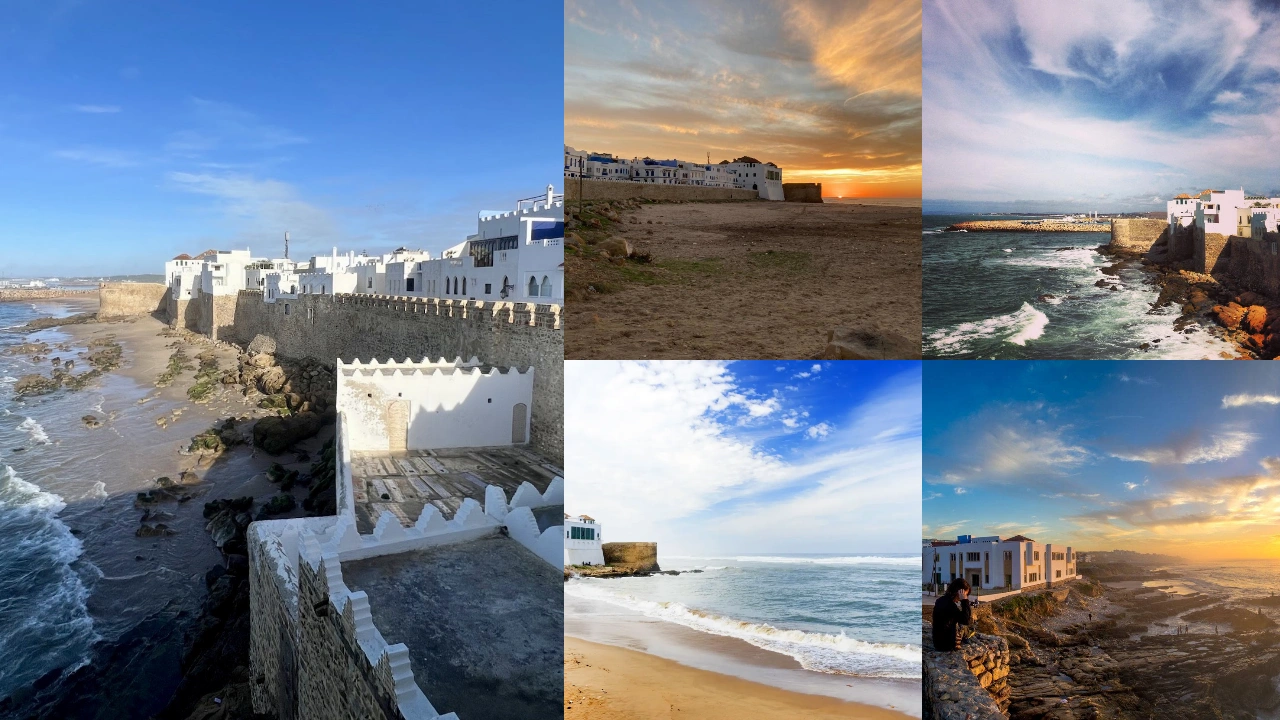
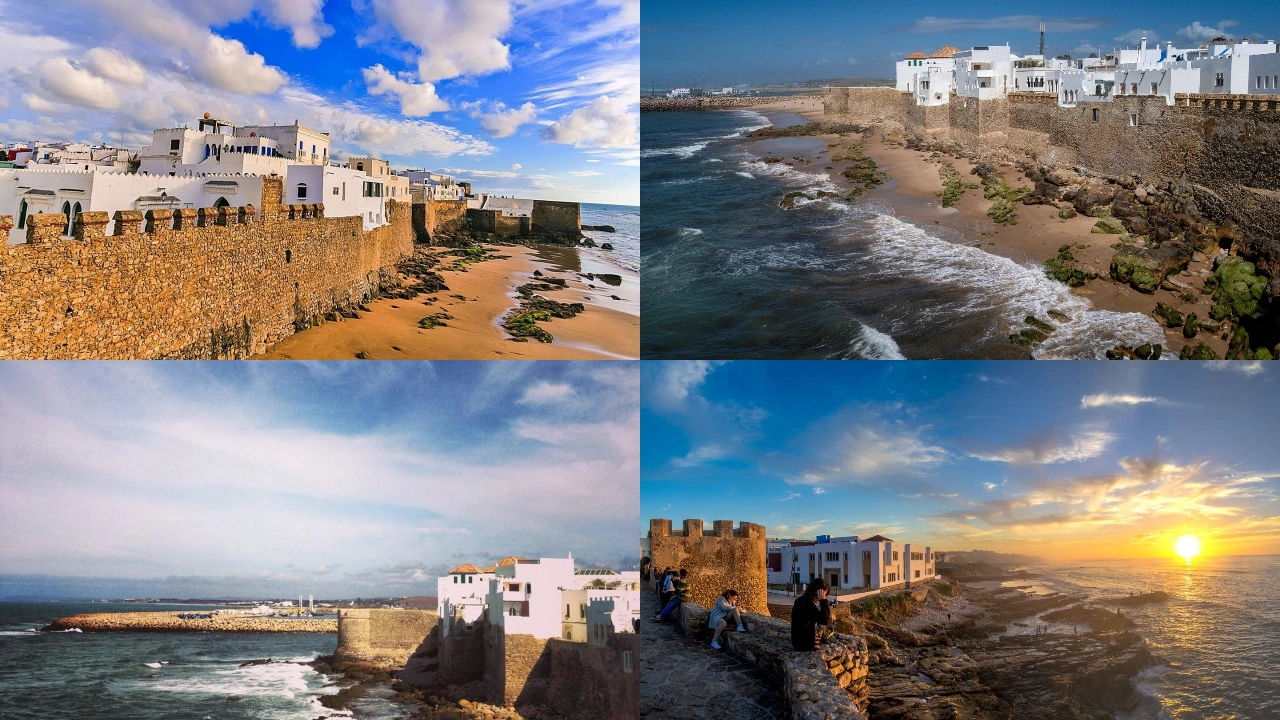
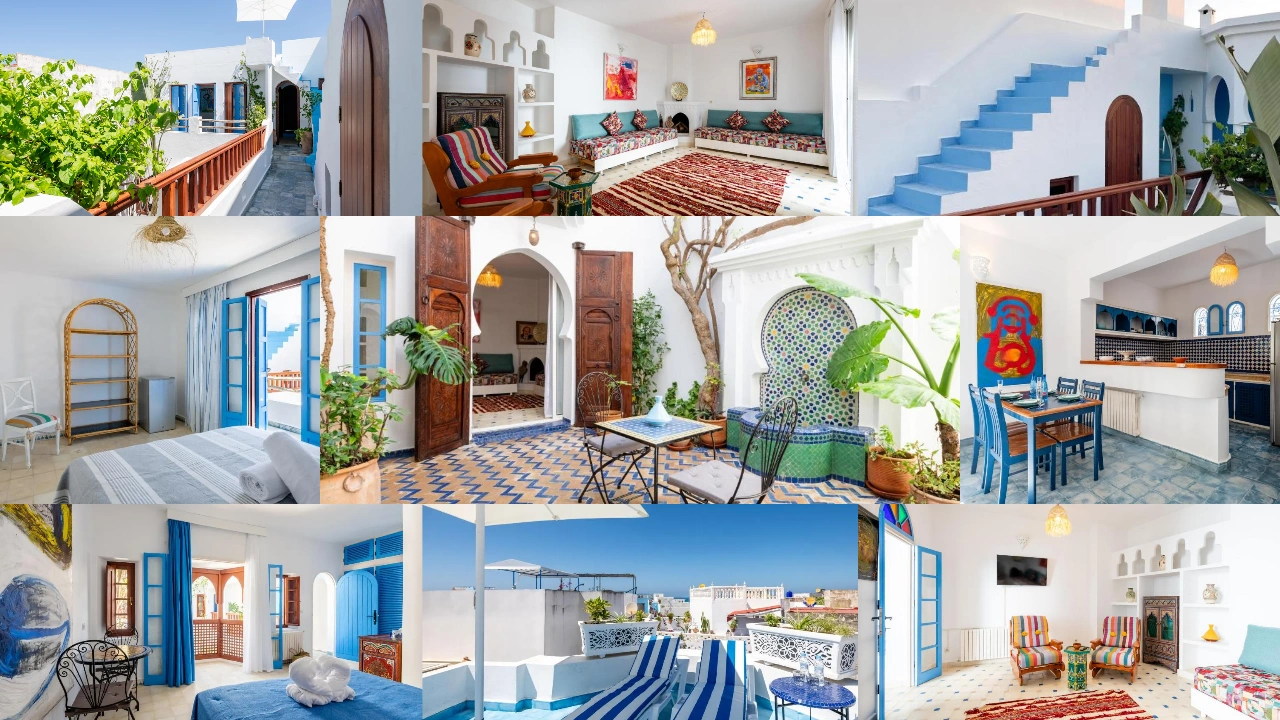
Once in Tangier, the city itself often serves as a gateway to further exploration of Northern Morocco. Well-established transport links connect Tangier to cultural hubs such as Asilah, Chefchaouen, and Tetouan. Travelers planning multi-destination trips frequently organize private guided day trips or off-road tours from Tangier. These excursions offer authentic immersion, including visits to mountain trails or the coastal village of Asilah, where accommodations such as Asilah32 AppartHotel and Riad Asilah 32 provide culturally rich stays.
For culinary enthusiasts, engaging in a “Fish Pick Cook” experience in Tangier is a standout way to savor the fresh seafood culture, starting from a market visit and culminating in a communal Moroccan meal. Such experiences are highly accessible once settled in the city, and frequently listed among activities on platforms like ExpertBook.
Conclusion
The Algeciras-Tangier ferry remains the most practical and scenic maritime passage connecting southern Spain to Northern Morocco. Its combination of regular crossings and proximity to Tangier’s city center allows travelers to plan seamless journeys across the Strait of Gibraltar. Upon arrival, a variety of transport options ensure access to Tangier’s diverse neighborhoods and accommodations suited to all traveler types.
Whether you seek a traditional riad in the historic medina or a modern resort setting, local insights into transport and stay choices can enrich your visit. Travelers often use ExpertBook to arrange suitable accommodations and activities that complement their arrival logistics.
Frequently Asked Questions
What is the duration of the Algeciras-Tangier ferry crossing?
The crossing duration varies: conventional ferries take approximately 90 minutes to 2 hours, while high-speed ferries can shorten the journey to about 45 minutes.
How often do ferries run from Algeciras to Tangier?
Ferries run multiple times per day, with schedules typically concentrated in the morning and late afternoon. During peak travel months, operators may increase the number of daily sailings.
Is it necessary to book ferry tickets in advance?
Yes, it is advisable to book tickets in advance, particularly during holidays or weekends when demand is higher.
What transport options are available from Tangier’s port to the city center?
Taxi services, private transfers, public transport, and walking or cycling are all available options to get from the port to various parts of Tangier.
What should I consider when planning my trip to Tangier?
Consider timing your arrival, prepare the local currency, check luggage restrictions, and be aware of potential weather disruptions that could affect ferry operations.