Estimated reading time: 6 minutes
- Discover Tangier’s rich cultural heritage and vibrant atmosphere in just one day.
- Navigate the old medina and kasbah for a taste of authentic Moroccan life.
- Experience culinary adventures with local cooking classes.
- Select ideal accommodations for short stays near the ferry terminal.
- Utilize efficient transport options to maximize your time in the city.
Table of Contents
- Strategic Arrival and Orientation: Maximizing Your Time in Tangier
- Tangier’s Medina and Kasbah: Cultural and Historical Insights
- Coastal Promenade and Iconic Landmarks: Tangier’s Maritime Charm
- Practical Experience: Market-to-Table Culinary Adventure
- Recommended Accommodations for Quick Stopovers
- Efficient Transport and Travel Tips for Ferry Visitors
- Seasonal Considerations and Weather Insights
- Local Tips for an Authentic Tangier Experience
- Summary and Planning Recommendations
Strategic Arrival and Orientation: Maximizing Your Time in Tangier
Upon arrival at Tangier’s ferry terminal, time management is crucial, especially if your window extends to just several hours. The city’s compact layout allows for a concentrated exploration of its historical and scenic highlights, particularly the old medina and the surrounding coastal area.
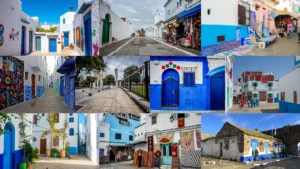
A convenient starting point is the medina itself, the historic heart of the city. Its narrow, winding alleyways embody the authentic essence of Tangier, offering visitors sensory delights in the form of vibrant souks, traditional artisan workshops, and intricate Moroccan architecture. Given the limited timeframe, focusing on key spots within the kasbah quarter in the medina enables an engaging yet manageable stroll.
Tangier’s Medina and Kasbah: Cultural and Historical Insights
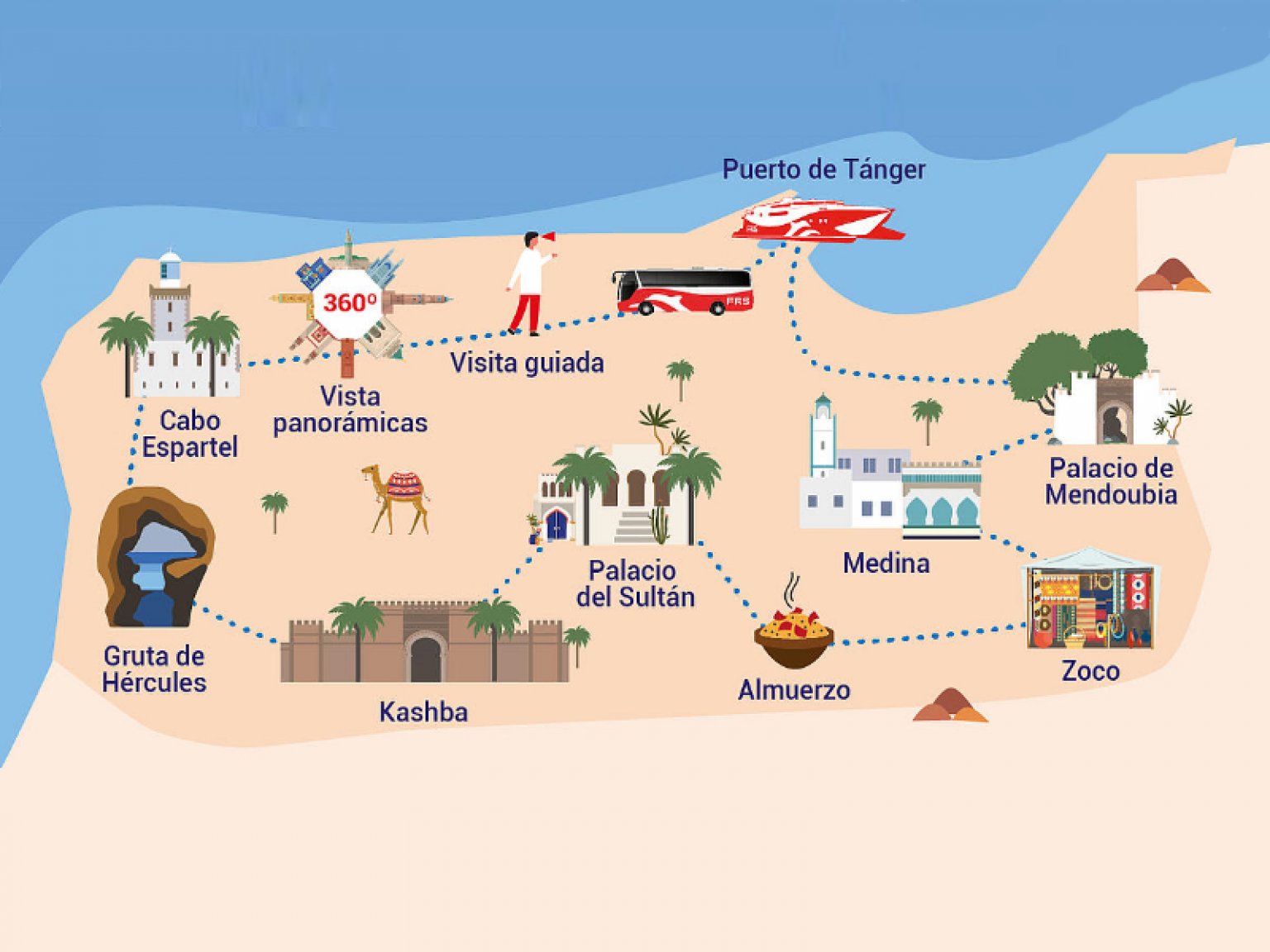
The Kasbah in Tangier serves as a compelling snapshot of the city’s rich past, perched on a hillside overlooking the Strait of Gibraltar. It houses several significant sites, including the Dar el Makhzen, the former sultan’s palace, now converted into the Museum of Moroccan Arts. Stepping inside, you can admire traditional Moroccan decorative arts—zellige tilework, wood carvings, and antique furnishings—which narrate Tangier’s artistic legacy.
Nearby, the Kasbah Mosque offers a peaceful interlude with its classic Moorish architecture crowned by a green-tiled minaret, visible across the city skyline. Taking a moment here provides both cultural enrichment and stunning panoramic views of the port and the Mediterranean.
Just outside the Kasbah gates lies the Place du Grand Socco, a lively square where locals gather, and which serves as a crucial intersection between the old and new parts of Tangier. This bustling plaza is ideal for observing daily life and sampling Moroccan street delicacies such as freshly squeezed orange juice or traditional pastries.
Coastal Promenade and Iconic Landmarks: Tangier’s Maritime Charm
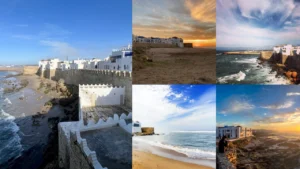
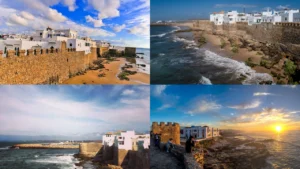
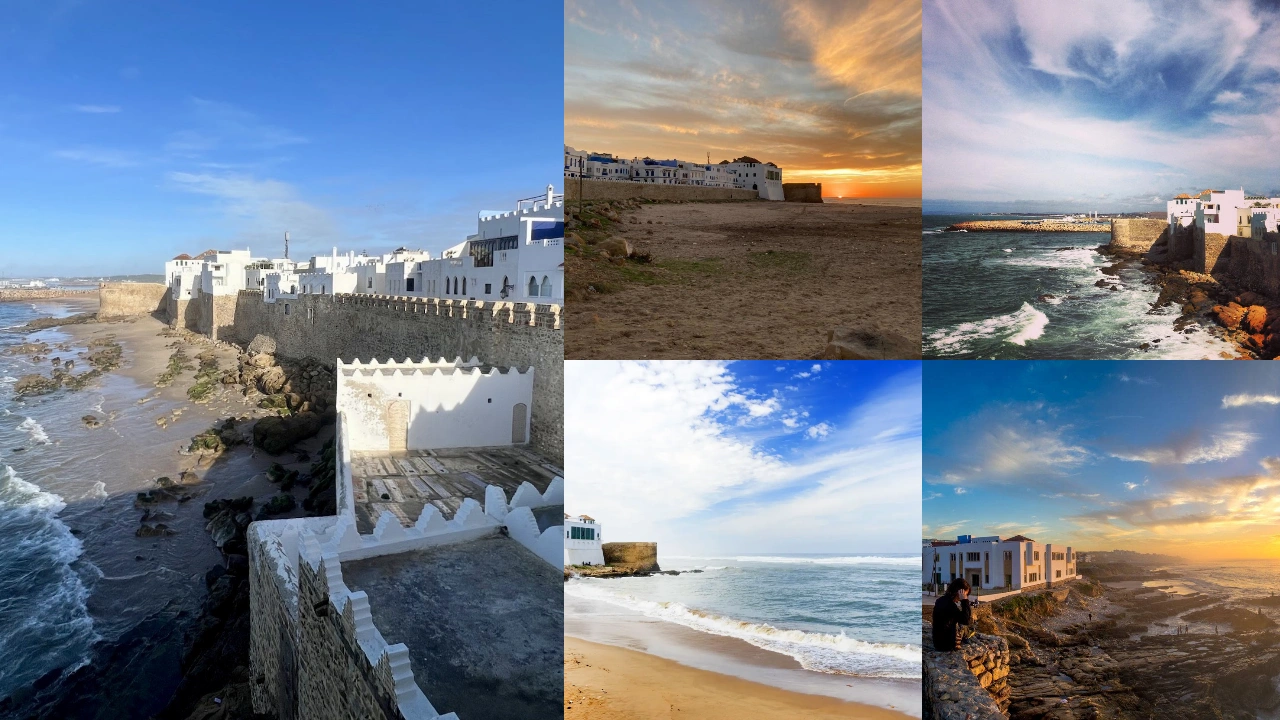
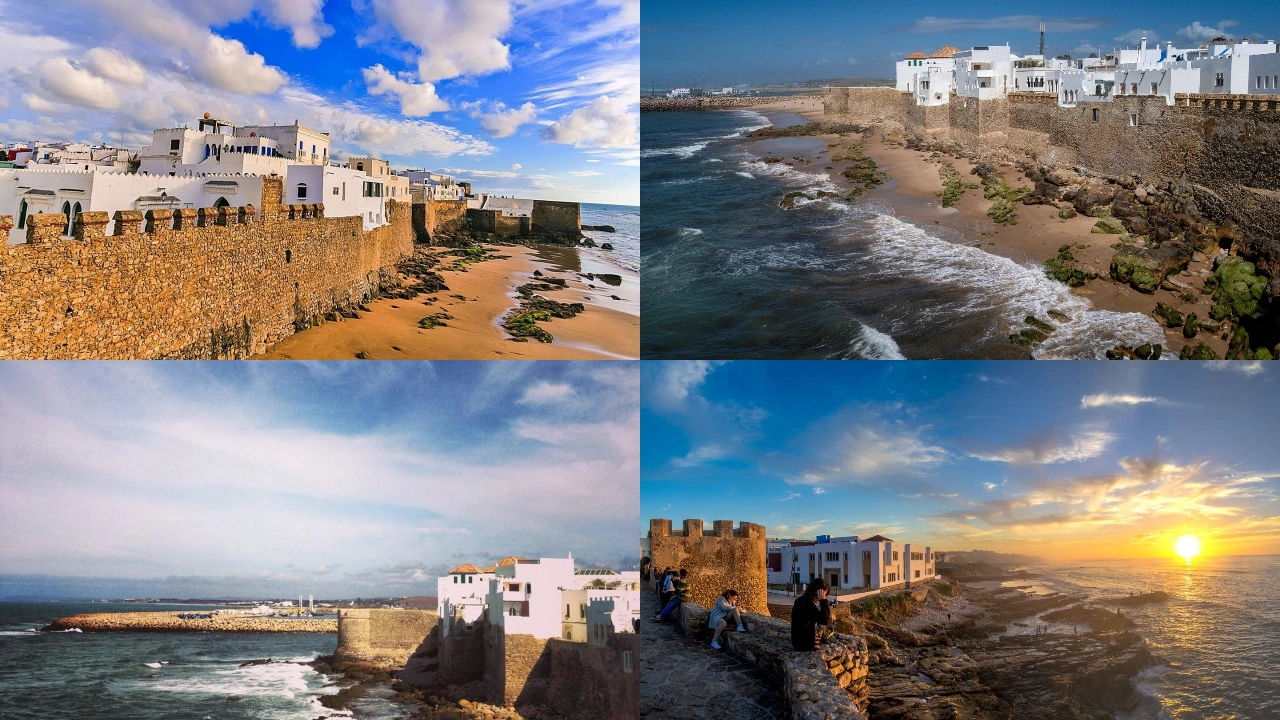
After immersing yourself in the medina, a short walk down to the seafront reveals another dimension of Tangier’s appeal. The coastal promenade, known as the Corniche, is lined with cafés, public gardens, and offers breathtaking views of the Strait and passing ships.
Among the noteworthy landmarks in this area is the Caves of Hercules, located just a few kilometers west of the city center. Though time may constrain a full visit, the site’s mythical associations with the ancient hero Hercules and its spectacular sea-facing grotto are perfect for a quick photo stop, especially if arranged with a private transfer service familiar with local logistics.
For those preferring to stay within the city limits, the adjacent Petit Socco square is an atmospheric spot renowned for its cafés that once hosted famous writers and artists. This area provides a glimpse into Tangier’s cultural renaissance during the early 20th century.
Practical Experience: Market-to-Table Culinary Adventure
Food is a memorable part of any travel experience in Morocco, and even with limited hours, participating in a market-to-table cooking activity can offer authentic insight into Moroccan cuisine. The Fish Pick Cook experience, available near the port, is a notable choice where visitors select fresh seafood from the market before learning to prepare it under the guidance of a local chef. This immersive approach encapsulates Tangier’s maritime heritage and culinary traditions within a few hours.
Such activities require prior arrangement and benefit from working with knowledgeable platforms that cater to short visits. This ensures a smooth transition from market selection to cooking and dining, all within a practical timeframe.
Recommended Accommodations for Quick Stopovers
While this guide focuses on a day’s visit, some travelers might plan extended overnight stays before or after their ferry journey. Among Tangier’s varied accommodation options, the El Toro Hotel stands out for its central location and suitability for both leisure and business travelers. Its proximity to the ferry terminal and city attractions makes it a strategic base for short visits.
For a more resort-style, tranquil environment conducive to relaxation after a hectic day, Blue Resort offers modern amenities set in a calm part of Tangier, providing a pleasant retreat slightly removed from the urban bustle.
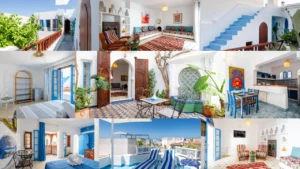
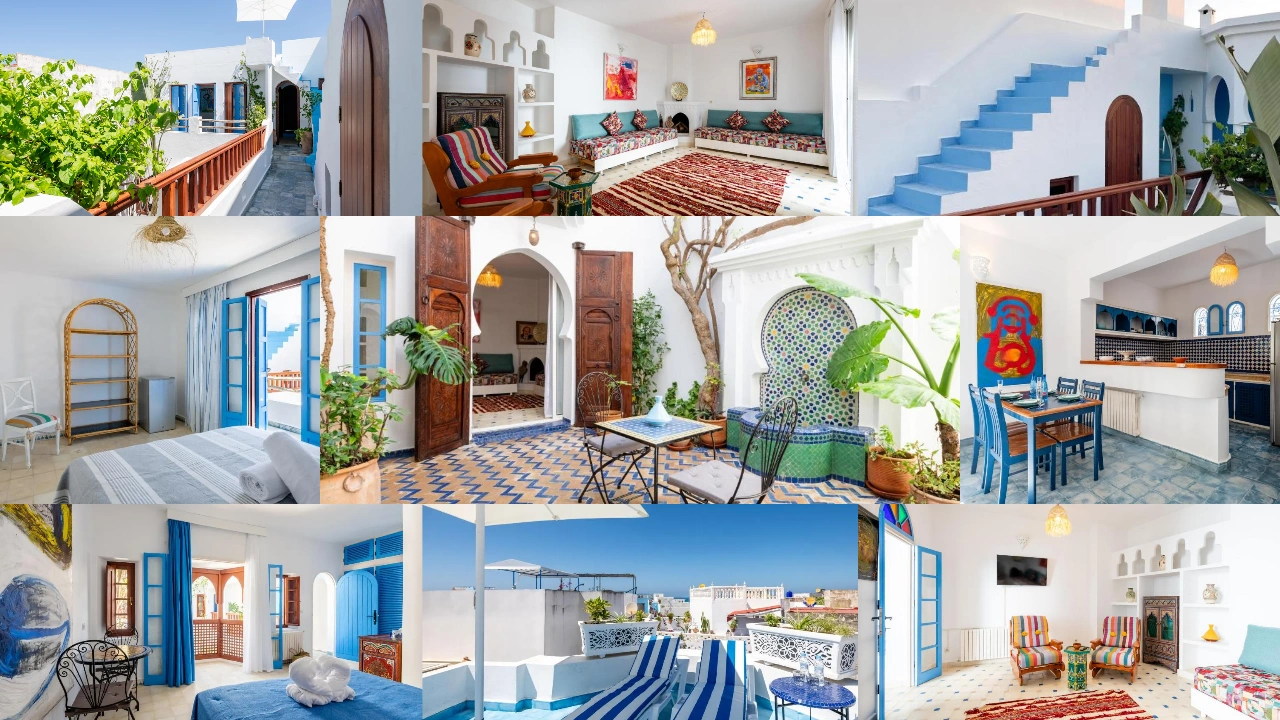
Alternatively, for those seeking an authentic experience closer to the historic center, stays at traditional riads such as Riad Sultana in the Kasbah provide intimate access to the medina’s charm and architectural splendor. These riads often incorporate personal touches in their hospitality, reflecting Moroccan heritage and comfort.
Efficient Transport and Travel Tips for Ferry Visitors
Navigating Tangier efficiently is vital to making the most of a few hours in the city. Walking can cover significant parts of the medina and coastal zones, but for reaching distant sites like the Caves of Hercules or for groups, private transfer options offer time-saving convenience. Services accustomed to local traffic conditions can tailor routes to the traveler’s itinerary ensuring punctual returns to the ferry terminal.
Travelers should also consider the timing of ferry arrivals and departures since the ferry port is about a 15 to 20-minute drive from the medina. Allocating sufficient buffer time for security checks and embarkation procedures helps avoid last-minute rushes.
Seasonal Considerations and Weather Insights
Tangier enjoys a Mediterranean climate with mild, wet winters and hot dry summers. The best season for Tangier in a day visits generally falls between spring and early autumn (April to October), when temperatures are pleasant and outdoor exploration is comfortable. Visiting during winter months is feasible but may involve cooler days and the occasional rain shower, which can impact walking tours and seaside activities.
Local Tips for an Authentic Tangier Experience
Beyond typical tourist paths, short visits can be enriched by simple yet authentic experiences. For instance, sampling freshly brewed mint tea at a small café in the medina or observing traditional artisans crafting leather goods in narrow lanes offer glimpses into daily life that standard tours may overlook.
Engaging with local guides or relying on platforms like ExpertBook helps connect travelers with vetted experiences, ensuring that even a brief encounter with the city is meaningful and culturally respectful.
Summary and Planning Recommendations
With careful planning, Tangier in a day is not only possible but also rewarding. Incorporating visits to key cultural landmarks in the medina, enjoying a seaside promenade, and indulging in culinary experiences offer a balanced snapshot of Tangier’s essence within constrained timeframes. Selecting accommodations and transport solutions aligned with these plans enhances efficiency and comfort.
Platforms such as ExpertBook are often used by travelers seeking to coordinate short-stay activities, transfers, and authentic experiences that accommodate limited schedules. Exploring their curated listings provides practical options tailored to the nuances of Tangier and Northern Morocco.
If you’re planning a trip that includes a short stopover in this fascinating city, leveraging these insights can turn a few hours into a rich Moroccan experience.
If you’re planning a trip, ExpertBook is a useful starting point for stays and activities in Northern Morocco.
Frequently Asked Questions
What are the must-see attractions in Tangier?
Key attractions in Tangier include the historic medina, the Kasbah, and the coastal promenade—each offering a glimpse into the city’s rich cultural tapestry and stunning views of the Strait of Gibraltar.
How can I maximize my time in Tangier?
To maximize your time, plan your itinerary to focus on key locations such as the medina and Kasbah, consider private transfers for longer distances, and allow plenty of time for security checks when returning to the ferry.
What is the best time to visit Tangier?
The best time to visit Tangier is between April and October when the weather is mild and suitable for outdoor exploration. Winter visits are possible but may involve cooler weather and rain.
Are there authentic culinary experiences in Tangier?
Yes, joining a market-to-table cooking class such as the Fish Pick Cook experience allows visitors to select fresh seafood and learn how to prepare traditional Moroccan dishes under the guidance of local chefs.
What accommodations are recommended for short stays?
For short stays, the El Toro Hotel offers a central location, while Blue Resort provides a tranquil setting. Traditional riads like Riad Sultana enhance the authentic experience closer to the medina.