Estimated reading time: 6 minutes
- Shopping in Tangier provides insight into Moroccan craftsmanship and culture.
- Key markets include the Kasbah Market and Grand Socco, each with unique offerings.
- Engaging with local artisans enhances the shopping experience and appreciation for traditional crafts.
- Workshops and guided tours can deepen understanding of Tangier’s craft heritage.
- Optimal shopping times are cooler months from October to April.
Table of Contents
- Understanding the Souks of Tangier
- Kasbah Market
- Grand Socco
- Engaging Local Artisans
- Local Workshops for Pottery and Leatherwork
- Textile Production
- Guided Tours and Workshops
- Recommended Accommodations
- Best Time to Shop
- Experiential Activities Beyond Shopping
- Exploring Beyond the City Limits
- Transportation in Tangier
- Summary
Understanding the Souks of Tangier
Shopping in Tangier offers an immersive journey into Northern Morocco’s vibrant culture, rich craftsmanship, and centuries-old trading traditions. For travelers eager to explore authentic Moroccan souks and discover unique artisanal products, Tangier presents a fascinating blend of colorful markets, skilled artisans, and atmospheric medinas. This guide to souks and crafts for tourists will help you navigate Tangier’s bustling shopping scene, share insights on what to look for, and suggest local experiences that deepen your appreciation of Moroccan craft traditions.
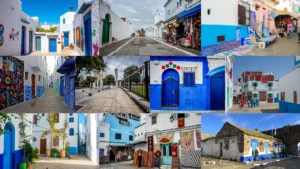
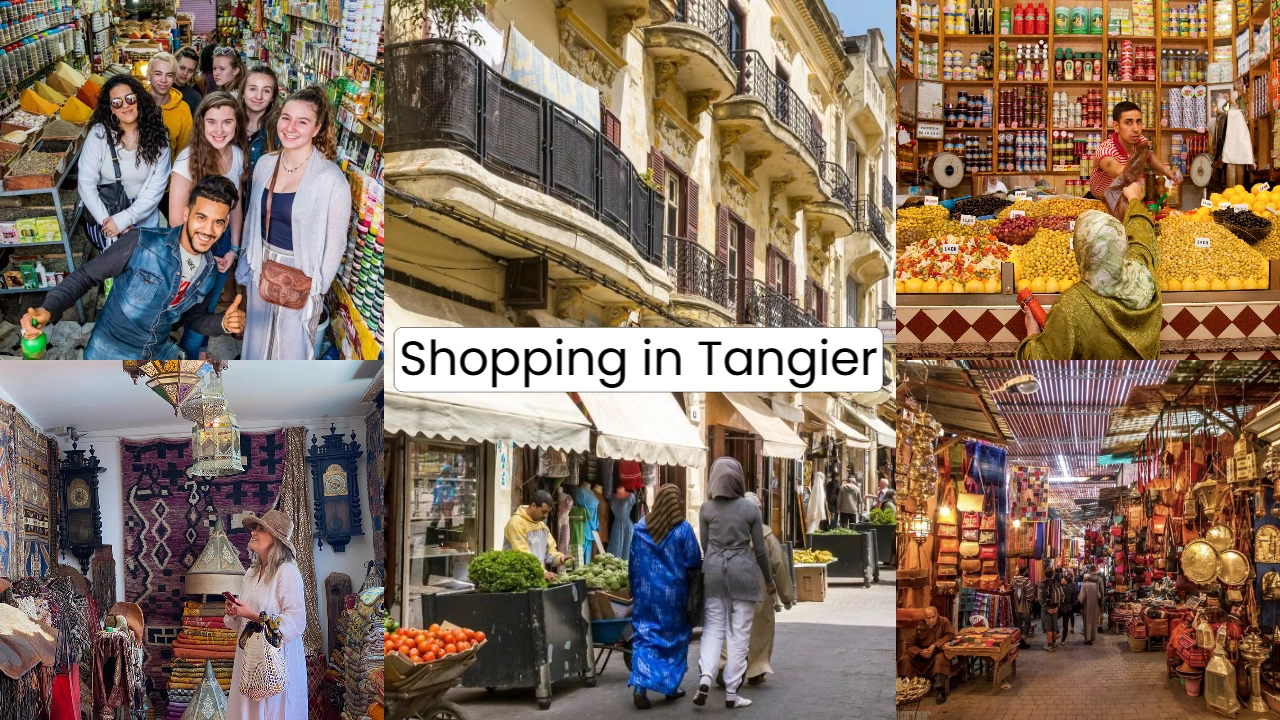
Understanding the souks of Tangier is essential for any visitor interested in shopping in Tangier. These traditional marketplaces have been the heart of commerce for generations, offering everything from intricate textiles and handwoven rugs to delicate ceramics, leather goods, and metalwork. Several souks are spread throughout the city, each with its own distinct character and specialties.
Kasbah Market
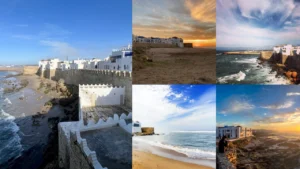
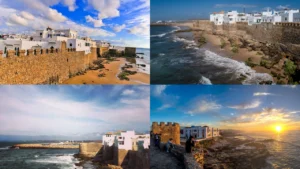
One of the most famous areas is the Kasbah Market in Tangier’s historic medina. The Kasbah, a fortified district perched on a hill overlooking the Strait of Gibraltar, houses narrow alleys lined with stalls selling hand-crafted items and traditional Moroccan wares. Here, you can find an array of leather bags, babouches (Moroccan slippers), and beautifully designed lamps that showcase Moroccan artistry. The Kasbah market’s proximity to the seaside also means many vendors offer goods inspired by both Berber and Andalusian influences, reflecting Tangier’s diverse cultural heritage.
Grand Socco
Another notable market is the Grand Socco, a large square that serves as an entrance to the old Medina. The Grand Socco buzzes with street vendors, flower sellers, and tea shops, with several small souks branching off its main thoroughfares. This area is particularly well-known for textiles like hand-embroidered blankets and scarves, traditional djellabas, and decorative ceramics. It is a lively spot where tourists can haggle for souvenirs while soaking in the local atmosphere.
Engaging Local Artisans
Shopping in Tangier is not just about picking up souvenirs; it’s also a chance to engage with craftspeople and gain insight into their techniques. Moroccan craftsmanship is steeped in centuries-old traditions that have been passed down through generations. Artisan cooperatives and workshops are increasingly opening their doors to visitors, showcasing how items like pottery, metalwork, and woodworking are carefully produced by hand. This connection adds a meaningful layer to the shopping experience, allowing travelers to appreciate the skill and heritage involved in each piece.
Local Workshops for Pottery and Leatherwork
When planning your shopping itinerary, it’s worth including a visit to local workshops specializing in ceramics and pottery. Moroccan pottery is renowned worldwide for its vibrant colors, geometric patterns, and durability. In Tangier, you can find studios where artisans shape and hand-paint plates, bowls, and tagines. Purchasing directly from these workshops often means getting pieces that are both authentic and reasonably priced compared to those sold in tourist-focused shops.
Another craft closely associated with Northern Morocco and visible in Tangier’s markets is leatherwork. The city’s tanneries produce high-quality leather used in crafting wallets, belts, bags, and shoes. Traditional tanning methods continue to be employed, and exploring the leather districts offers a fascinating glimpse into this durable craft. Travelers shopping in Tangier can find finely made products that blend quality and style with local cultural aesthetics.
Textile Production
Textile production, including weaving and embroidery, is also an important facet of Moroccan handicrafts. Many of the souks offer an exquisite range of handwoven rugs, cushions, and fabrics that reflect regional patterns and colors. Berber-influenced designs, with symbolic motifs, are especially prized. These textiles make for excellent gifts or personal mementos that capture the spirit of the region.
Guided Tours and Workshops
To enhance your exploration of the souks, consider engaging in guided shopping tours or craft workshops. Small-group tours often include visits to artisan neighborhoods, bazaars, and studios, offering a comprehensive overview of the city’s craft heritage. Alternatively, hands-on experiences such as cooking classes, calligraphy sessions, or pottery workshops add an interactive element that deepens the cultural connection. For instance, a cooking class that combines market visits to purchase spices and ingredients with traditional preparation offers an unforgettable insight into Moroccan daily life alongside shopping.
Recommended Accommodations
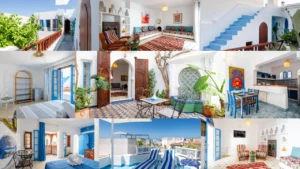
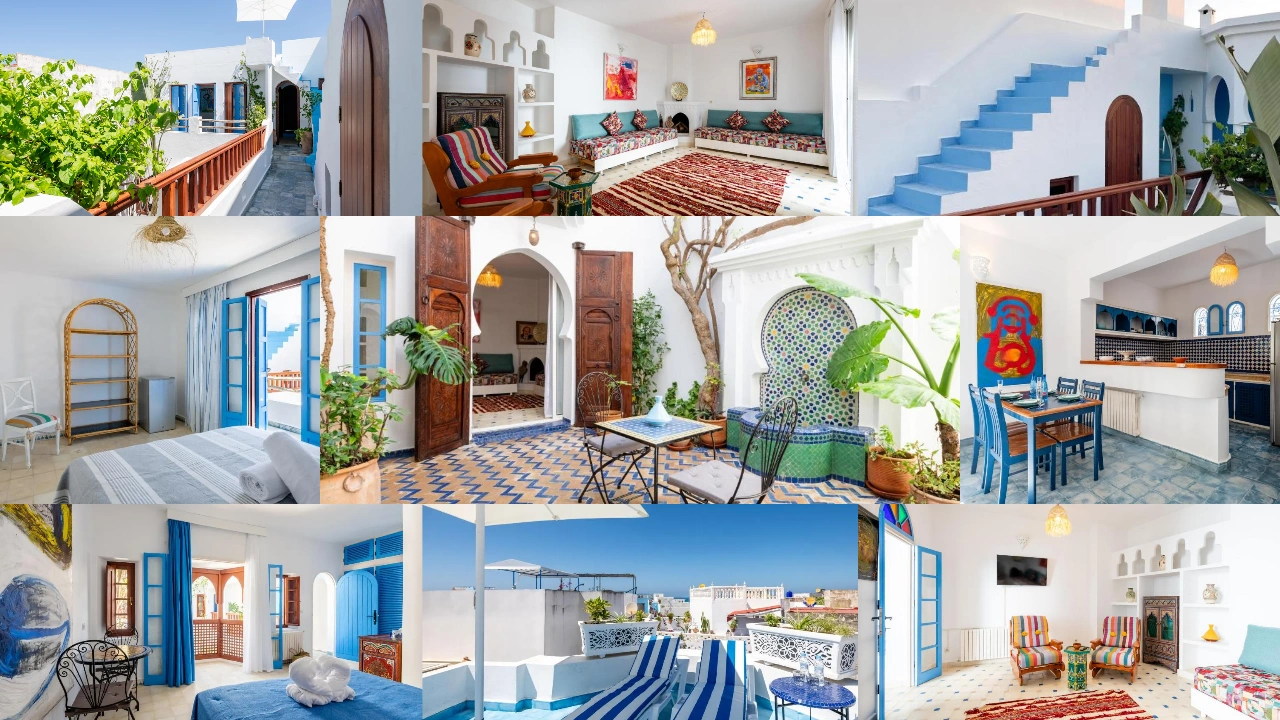
For accommodations that provide a comfortable base near Tangier’s key shopping areas, options range from traditional riads in the medina to modern city hotels. Properties such as Riad Sultana offer an authentic Moroccan ambiance in the heart of the Kasbah, placing guests within easy walking distance of the main souks. For those looking for more contemporary hotels with convenient access to both the old and new parts of the city, El Toro Hotel provides a central location suitable for leisure and business travelers. Meanwhile, if longer stays and family-friendly features are a priority, Mnar Castle stands out with its spacious units and sea views, ideal for relaxing after days spent exploring markets.
Best Time to Shop
When planning your visit, bear in mind that the best time for shopping in Tangier is during the cooler months, from October to April. Summer can be hot and less comfortable for strolling through outdoor markets. Additionally, many artisans and shops close briefly during major religious holidays such as Eid, so checking local calendars helps avoid disappointment.
Experiential Activities Beyond Shopping
Aside from souks and crafts, Tangier offers other experiential activities that complement shopping and cultural immersion. One unique option is the “Fish Pick Cook” experience, where visitors select fresh seafood at the market and learn to prepare it in a traditional Moroccan style. This market-to-table approach introduces guests to the abundance of local produce and culinary traditions, making it an ideal companion to a shopping itinerary focused on authentic experiences.
Exploring Beyond the City Limits
For those interested in exploring beyond the city limits, off-road tours into the Rif Mountains and other natural landscapes reveal more artisanal villages where traditional crafts continue to thrive. These trips often include stops at lesser-known workshops and markets, allowing visitors to engage directly with rural communities and gain a broader perspective on Northern Morocco’s cultural mosaic.
Transportation in Tangier
Transportation within Tangier is generally straightforward, with private transfer services available for families and corporate groups who seek comfortable and reliable travel options. Navigating the medina’s narrow alleys requires a more pedestrian approach, so staying in centrally located accommodations eases movement and maximizes time spent shopping and sightseeing.
Summary
In summary, shopping in Tangier combines the allure of bustling souks, the intricacy of handcrafted goods, and the richness of Northern Moroccan culture. Whether browsing leather products in the Kasbah, hunting for vibrant textiles in the Grand Socco, or visiting artisan workshops, travelers can expect to find unique treasures with storied origins. Leveraging resources and platforms like ExpertBook helps travelers discover suitable stays and authentic activities that enhance the overall experience in this historic port city.
If you’re planning a trip to Northern Morocco, ExpertBook is a useful starting point for stays and activities in Tangier and beyond. From accommodation suggestions such as Riad Sultana to guided market tours and craft experiences, integrating local knowledge through curated listings can make your journey deeper and more rewarding. Shopping in Tangier, when approached with curiosity and respect for local traditions, offers a captivating glimpse into the heart of Moroccan culture.
Frequently Asked Questions
What are the must-buy items in Tangier?
Must-buy items in Tangier include handwoven rugs, traditional ceramics, leather goods such as bags and shoes, and rich textiles like djellabas and scarves. Each item reflects the region’s unique cultural heritage.
Where can I find the best souks in Tangier?
The best souks in Tangier are located in the Kasbah Market and the Grand Socco, both offering a unique shopping experience filled with local crafts, food, and vibrant atmosphere.
When is the best time to visit Tangier for shopping?
The best time for shopping in Tangier is from October to April when the weather is cooler and more comfortable for outdoor market visits.
How can I engage with local artisans in Tangier?
Visitors can engage with local artisans by visiting workshops, participating in craft tours, and attending hands-on experiences like pottery or cooking classes, which provide insight into traditional crafts.
What transportation options are available in Tangier?
Transportation options in Tangier include private transfer services for groups, taxis, and walking through the medina’s compact alleys, allowing visitors to easily navigate the city.