Estimated reading time: 6 minutes
- Tangier is a multilingual city, primarily using Moroccan Arabic, French, Spanish, and English.
- Spanish plays a unique role due to historical ties and is widely spoken, especially among the older population.
- French serves as the primary language for business and official matters.
- English is increasingly common, especially in tourism and among younger individuals.
- Understanding local languages and cultural nuances enhances communication and travel experiences.
The Multilingual Fabric of Tangier
Tangier’s unique position on the Strait of Gibraltar has historically made it a meeting point between Africa and Europe. This geography, combined with its rich colonial past and contemporary global connections, has cultivated a multilingual population. The primary languages spoken in Tangier include Moroccan Arabic (Darija), French, Spanish, and increasingly, English.
Moroccan Arabic serves as the daily language used by the majority, particularly in informal settings and amongst locals. French, a legacy of Morocco’s history as a French protectorate, functions as a language of administration, education, and business. However, one language stands out uniquely in Tangier compared to other Moroccan cities: Spanish. The use of Spanish in Tangier remains significant and is an essential aspect of communication in the city.
The Use of Spanish in Tangier
Spanish’s presence in Tangier dates back to the early 20th century when the northern region of Morocco was under Spanish influence. This historical connection has left a lasting imprint on local culture, architecture, education, and language use. Today, Spanish is widely understood and spoken by a considerable portion of the population, particularly among older generations and those involved in trade, tourism, and cultural sectors.
Spanish in Tangier is often the bridge language between locals and visitors from Spain and Latin American countries. Moreover, Spanish heritage can be seen in the city’s bilingual signage, schools offering Spanish language courses, and cultural centers promoting Spanish literature and arts. For travelers with some knowledge of Spanish, communicating in Tangier becomes much more accessible, especially outside the typical tourist areas.
While Arabic and French dominate official and formal settings, Spanish provides an informal gateway to interact with Tangier’s diverse communities. In neighborhoods such as the Medina and near the old Spanish consulate, it’s common to find shopkeepers, guides, and artisans who converse fluidly in Spanish. This creates a welcoming environment for Spanish-speaking visitors and facilitates cultural exchange.
French and Arabic: The Lingua Franca Duo
Despite Spanish’s strong foothold, French and Arabic remain the most widely used languages for daily communication and official matters. French acts as the lingua franca in government offices, higher education institutions, and corporate environments. Arabic, especially Moroccan Darija, remains the language of the streets and homes.
Most Tangier residents are bilingual at a minimum, handling conversations in both Darija and French with ease. French is also the preferred language for written communication, including newspapers, magazines, and official documentation. For those working or doing business in Tangier, proficiency in French is highly beneficial.
Increasing Role of English
Over the past decade, English has steadily gained importance in Tangier, reflecting broader trends in Morocco’s educational reforms and tourism development. English is becoming more common in the hospitality industry, international companies, and among younger generations eager to engage with the global market.
Travelers to Tangier will find that many hotel staff, tour guides, and service providers have a good command of English, particularly in international or upscale accommodations like the Blue Resort or the El Toro Hotel. Additionally, platforms like ExpertBook list activities and experiences where English is spoken, aiding non-French and non-Spanish speakers to connect smoothly.
Practical Tips for Language Use in Tangier
For visitors and expats, understanding which language to use in various contexts is key:
- In markets, cafes, and informal encounters, Moroccan Arabic is prevalent, but a Spanish greeting or phrase can quickly build rapport.
- French is your go-to language for official business, hotel check-ins, and formal meetings. Learning basic French phrases will enhance communication.
- Spanish is invaluable if you come from Spain or Latin America and want to explore local neighborhoods beyond tourist spots smoothly.
- English is growing but is best used in international hotels, corporate settings, and with younger locals involved in tourism-related sectors.
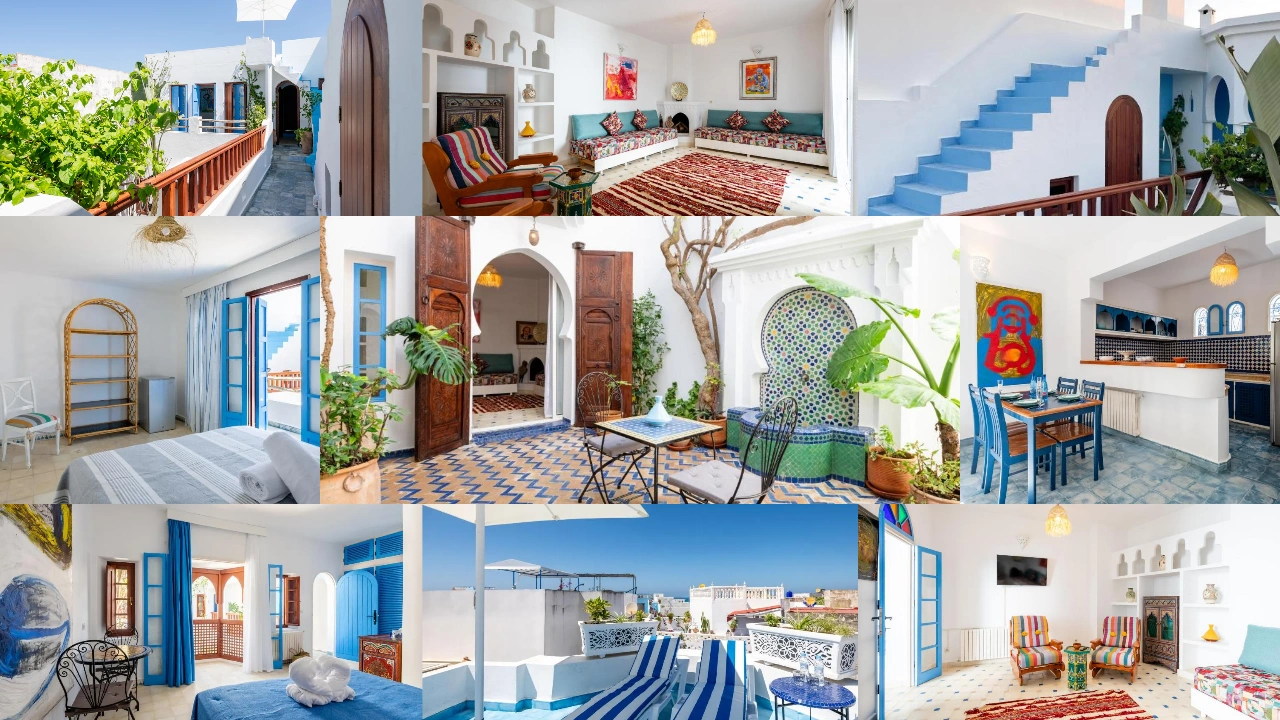
Choosing accommodation in neighborhoods with multilingual staff is a practical way to ease communication challenges. Areas near the Medina or city center tend to have more multilingual services. For example, Riad Sultana in the Kasbah offers traditional Moroccan hospitality with hosts accustomed to diverse language backgrounds.
Cultural Nuances and Language Etiquette
Language in Tangier is not merely functional; it is deeply tied to identity and respect. Understanding basic greetings in Darija or Spanish can open doors to richer interactions. For instance, saying “Salam Alaykum” (peace be upon you) or “Buenos días” signals respect for local culture.
While French speakers might appreciate formal politeness, Spanish speakers often engage warmly and informally. Recognizing these nuances helps in adapting communication style, whether during a business meeting or a casual conversation in a market.
Experiences That Illustrate Tangier’s Multilingualism
Tangier’s linguistic diversity is also reflected in its vibrant cultural scene. Cooking classes like Fish Pick Cook are conducted in multiple languages, offering an immersive culinary experience paired with language practice. Off-road tours and private trips often include guides who can switch seamlessly between languages, depending on the group’s composition.
For groups or agencies organizing trips, understanding the linguistic preferences of participants can enhance the experience significantly. Platforms such as ExpertBook provide access to multilingual guides, ensuring smooth communication across a variety of activities.
Conclusion
Languages in Tangier paint a colorful picture of a city at the confluence of cultures. The continued use of Spanish alongside Arabic, French, and emerging English highlights Tangier’s role as a gateway between Europe and Africa. For visitors and professionals, appreciating this multilingual environment enriches both social interactions and practical communications.
Whether exploring the bustling Medina, engaging in business meetings, or enjoying cultural activities, awareness of Tangier’s linguistic landscape is invaluable. For those planning a trip or stay in Northern Morocco, ExpertBook is a useful starting point for discovering accommodations and experiences that cater to various language needs, ensuring a rewarding and well-connected visit.
Frequently Asked Questions
What languages are spoken in Tangier?
Tangier’s main languages include Moroccan Arabic (Darija), French, Spanish, and English, reflecting its multicultural heritage.
Is Spanish useful in Tangier?
Yes, Spanish is widely understood and spoken, especially among older locals and in areas frequented by tourists.
What role does French play in Tangier?
French is primarily used for official matters, business, and education, serving as the lingua franca in many contexts.
Is English gaining importance in Tangier?
Yes, English is becoming increasingly common, particularly in tourism, hospitality, and among the younger population.
What are some tips for visitors to Tangier regarding language?
Visitors should use Moroccan Arabic in informal settings, French for official matters, Spanish to connect with locals, and English in tourist-friendly environments.