Estimated reading time: 6 minutes
- Explore the fascinating history of the Caraquia Asilah bastion in Northern Morocco.
- Understand the significance of Portuguese fortifications and architectural innovations.
- Learn about the transition of the Caraquia from a military stronghold to a cultural landmark.
- Discover the best seasons for visiting and complementary activities in Asilah.
- Gain insights from local perspectives on the significance of the bastion.
Exploring the Caraquia Asilah History: From 15th-Century Bastion to Modern Cultural Landmark
The Caraquia Asilah history is a fascinating journey that blends military strategy, architectural innovation, and cultural transformation. Asilah, a picturesque coastal town in Northern Morocco, is renowned for its rich heritage and well-preserved fortifications. Among these, the Caraquia bastion stands out as a remarkable example of 15th-century military architecture, initially constructed by the Portuguese during their occupation and later evolving into a vibrant cultural hub. Understanding the Caraquia’s origins and its metamorphosis offers deeper insight into Northern Morocco’s layered past and present identity.
Portuguese Fortifications in Northern Morocco: Strategic Context and Design Principles
In the 15th century, the Portuguese crown sought to extend its influence along the Moroccan coast, establishing several strongholds to secure maritime routes and assert political presence. Asilah became one of these key outposts due to its strategic location on the Atlantic coast, approximately 40 kilometers south of Tangier. The town’s elevated position and views over the surrounding sea and plains made it an ideal site for military defense and trade control.
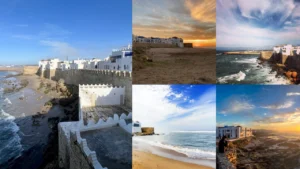
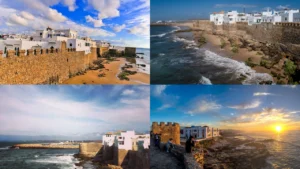
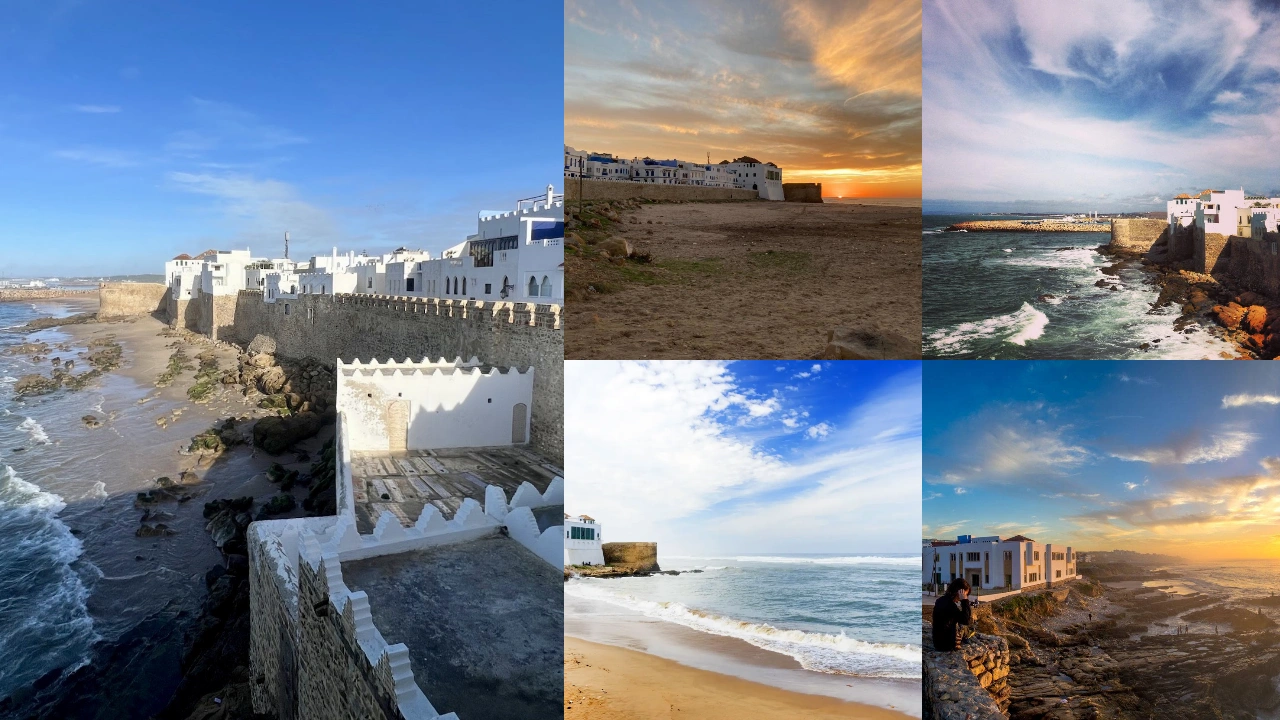
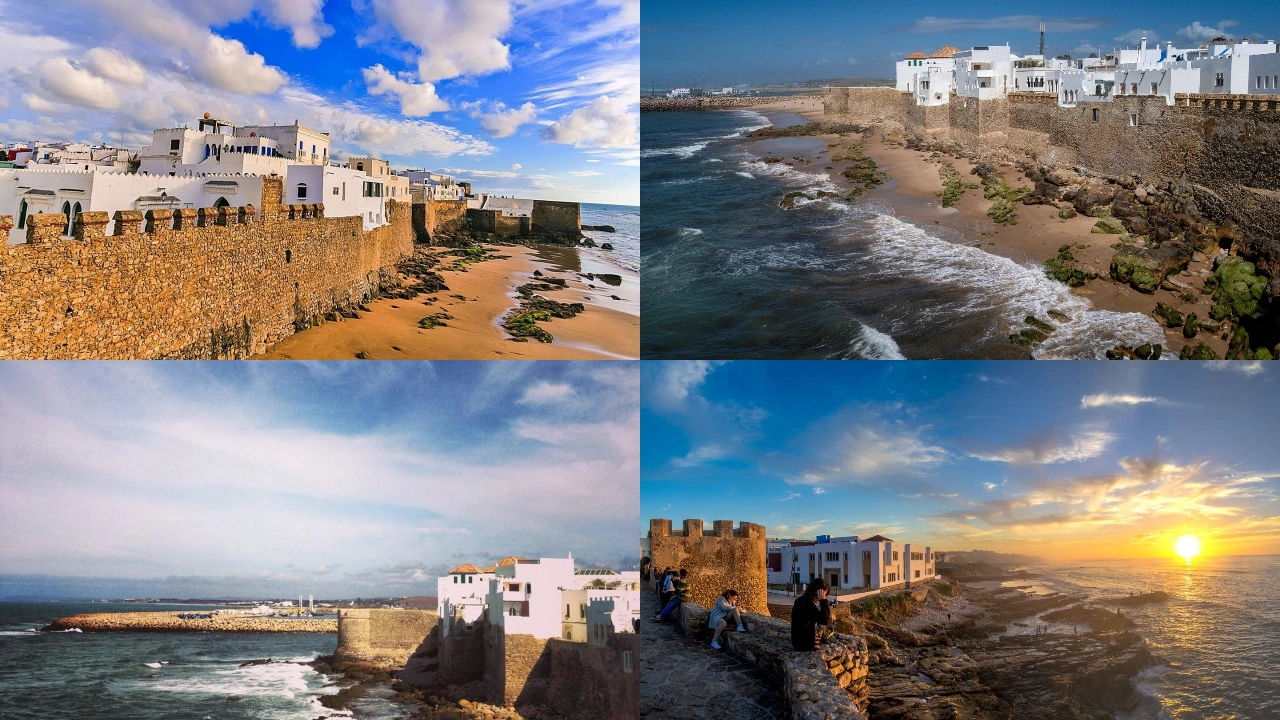
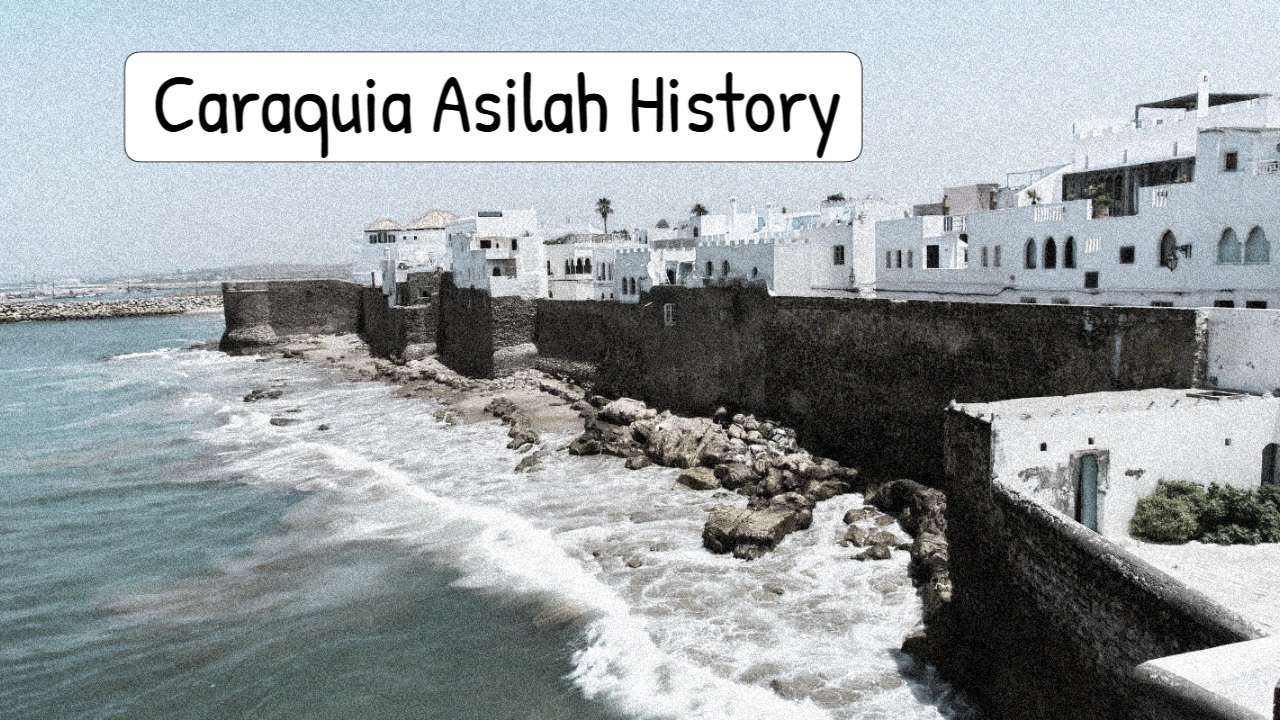
The Caraquia bastion was constructed as part of the broader fortified wall system enclosing Asilah, integrating European military architectural concepts prevalent during the Renaissance era. The design reflected innovations in bastion fortifications, accommodating new artillery technology. Angular walls, low-profile ramparts, and thick stonework were employed to minimize damage from cannon fire and maximize defensive capabilities. The walls of the Caraquia, alongside other bastions, enclosed the medina, safeguarding the local population and controlling access by both land and sea.
Caraquia’s architecture showcases typical Portuguese military features adapted to the Moroccan context. It combined solid, functional bastions with elements that complemented the existing urban fabric of Asilah’s medina, blending European fortification technology with North African construction styles. The bastion’s placement allowed overlapping fields of fire with other nearby fortifications, ensuring a robust perimeter defense.
The Transition from Military Stronghold to Cultural Landmark
Following the Portuguese departure in the late 16th century, the bastion and surrounding walls passed into Moroccan control, ultimately becoming a symbol of local resilience and history rather than a purely military installation. Over the centuries, the Caraquia witnessed varying degrees of use and neglect, mirroring the political and social ebbs and flows in Asilah and broader Morocco.
A turning point in the Caraquia Asilah history came in the latter half of the 20th century when efforts to preserve and revitalize Asilah’s cultural heritage gained momentum. The town evolved into a destination for artists, writers, and travelers, drawn to its blend of historical atmosphere and Mediterranean coastal charm. The Caraquia bastion, with its imposing stonework and commanding views, became an emblematic cultural landmark, hosting art exhibitions, music festivals, and public gatherings that celebrate Asilah’s unique identity.
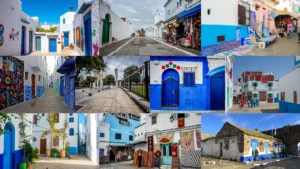
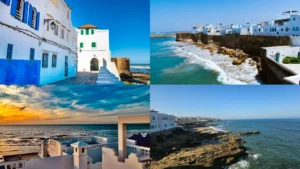
Visitors today can appreciate the bastion not only for its architectural merit but also for its role as a venue where contemporary creativity intersects with history. Its ramparts offer panoramic vistas of the Atlantic and the Medina’s blue-and-white streets, an enduring reminder of Asilah’s layered narrative.
Understanding the Surrounding Historic Landscape
To fully grasp the Caraquia Asilah history, it is essential to consider its relation to other notable elements of the town’s heritage. The adjacent medina, with its narrow alleys and traditional Moroccan houses, reflects centuries of habitation and cultural exchange. Nearby landmarks, including the main city gate and smaller fortifications, complement the defensive network initiated by the Portuguese and expanded under Moroccan stewardship.
The town’s location, at the crossroads between Africa and Europe, also influenced the bastion’s design and legacy. The Caraquia stands as a testimonial to a period when coastal defense was a response to the challenges of piracy, trade competition, and shifting imperial ambitions.
Seasonal Considerations and Visitor Experience
Northern Morocco’s Mediterranean climate means that the best time to explore the Caraquia and Asilah’s broader historic sites is during the spring and autumn months. Mild temperatures and less crowded streets allow for immersive visits to the bastion and medina. Walking along the Caraquia’s walls, visitors can witness how the battlements were strategically oriented to cover key approaches and protect vital harbors.
Since the bastion is outdoors and largely unroofed, bringing sun protection in the summer and sturdy footwear for uneven stone surfaces is advisable. Local guides familiar with the Caraquia Asilah history often provide in-depth narratives that enrich the experience beyond what is visible to the naked eye, shedding light on the military tactics, construction phases, and cultural shifts that shaped the site.
Complementary Activities and Stays in Asilah
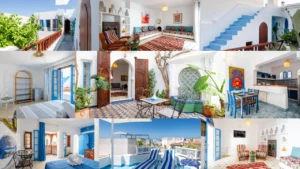
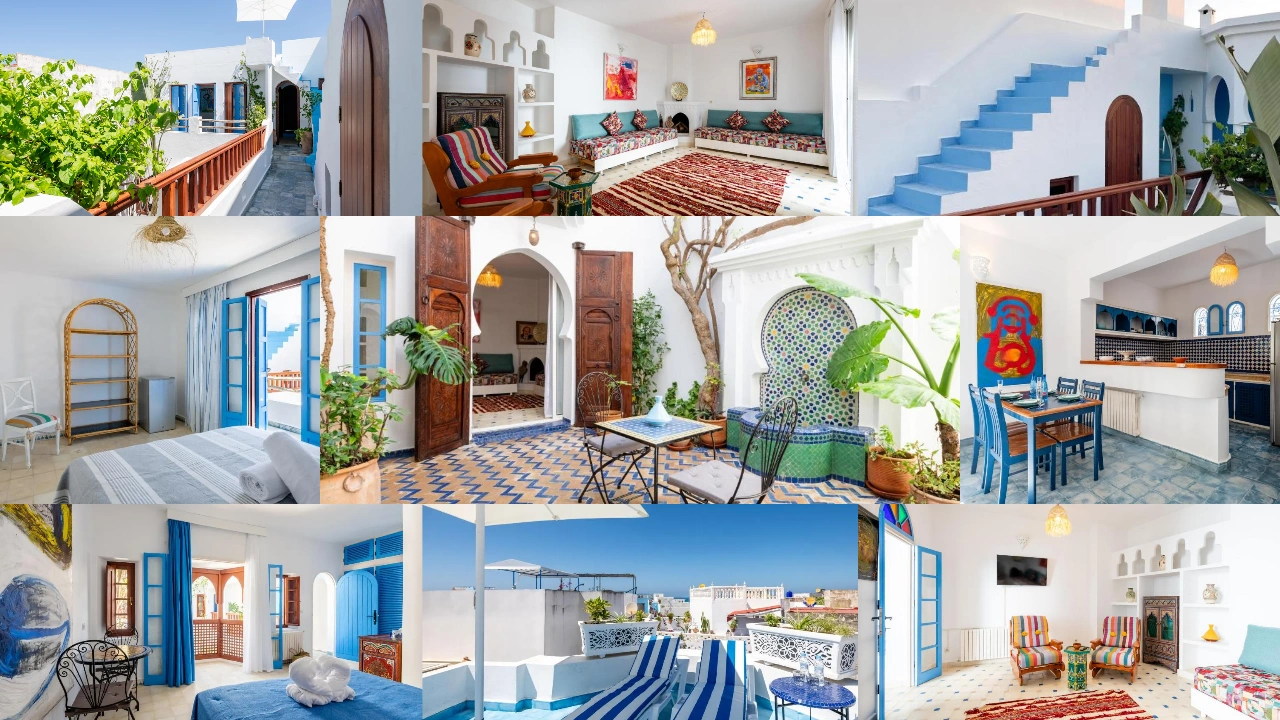
After exploring the Caraquia, travelers often extend their stay in Asilah to enjoy its serene beaches, vibrant arts scene, and authentic local cuisine. One accommodation option worth exploring is the Riad Asilah 32, which combines authentic riad charm with modern comfort, perfect for immersing oneself in the medina’s atmosphere.
For those interested in experiential activities, platforms like ExpertBook list a variety of options, including guided cultural tours that delve deeper into Asilah’s history as well as off-road excursions exploring the region’s natural beauty. Culinary classes centered on Moroccan flavors are also popular, offering interactive ways to engage with local traditions.
Appreciating the Caraquia through Local Perspectives
One of the enriching aspects of studying the Caraquia Asilah history is hearing firsthand accounts from local residents who view the bastion not merely as a monument but as a living part of their heritage. Community initiatives in Asilah often integrate the historic sites into cultural programming that fosters preservation and education.
Local tips include timing visits during the annual Asilah Arts Festival, when the town buzzes with activity, exhibitions, and performances centered around its historic landscape. The Caraquia, with its commanding position, serves as a backdrop for many such festivities, highlighting its ongoing role in the town’s cultural vitality.
The broader network of short-term rentals managed by Kasbah’s Keys offers visitors flexible accommodation close to the Caraquia and other landmarks, facilitating exploration of Northern Morocco’s intertwined historical and modern narratives.
Conclusion: Caraquia Asilah History as a Gateway to Northern Morocco’s Past and Present
The Caraquia bastion in Asilah stands as a testament to Northern Morocco’s complex history, linking 15th-century Portuguese military ingenuity with contemporary cultural expression. Its sturdy stone walls and strategic design embody a bygone era of defense and geopolitical contest, while its current use as a cultural space exemplifies the region’s ability to adapt and celebrate its multifaceted heritage.
For travelers, expats, and groups interested in exploring authentic Moroccan coastal towns, the Caraquia offers both a tangible connection to the past and an inviting setting for present-day experiences. Those planning trips to Northern Morocco find that understanding sites like the Caraquia enriches their appreciation of the region beyond surface-level tourism.
If you’re planning a trip to Northern Morocco, ExpertBook is a useful starting point for discovering accommodations, activities, and deeper insights into places like Asilah and its historic bastion. Integrating local knowledge with curated options helps travelers create meaningful journeys through the distinctive landscapes of Tangier, Asilah, and beyond.
FAQ
What is the history of Caraquia Asilah?
The Caraquia Asilah has a rich history that dates back to the 15th century, originally built as a bastion by the Portuguese during their occupation of the region. Over time, it transitioned from a military stronghold to a cultural landmark, reflecting the dynamic changes in the region’s political and social landscape.
What are the main architectural features of the Caraquia bastion?
The Caraquia bastion showcases typical Portuguese military features adapted to the Moroccan context, including angular walls, low-profile ramparts, and thick stonework, designed to withstand cannon fire and maximize defensive capabilities while integrating with the urban fabric of Asilah’s medina.
When is the best time to visit Asilah and the Caraquia?
The best time to explore the Caraquia and Asilah’s historic sites is during the spring and autumn months, when the mild temperatures and less crowded streets allow for a more immersive experience.
What activities are available in Asilah?
Visitors to Asilah can enjoy a range of activities, including beach outings, experiencing local arts and cuisine, as well as joining guided cultural tours and culinary classes that delve deeper into Moroccan traditions and history.
How can I learn more about local culture in Asilah?
Engaging with local residents and participating in community festivals, such as the annual Asilah Arts Festival, provide enriching insights into the culture of the town. Additionally, local guides and cultural initiatives often offer valuable perspectives on the historical significance of the area.