Estimated reading time: 6 minutes
- Krikia offers stunning coastal landscapes and authentic Moroccan life.
- The area between Tangier and Tetouan provides prime photographic opportunities.
- Cap Spartel and Cueva de Hércules are must-visit locations for photographers.
- Tangier and Asilah offer urban contrasts with rich cultural photography.
- Optimal shooting seasons are spring and autumn due to mild weather.
Exploring Krikia: A Photographic Haven between Tangier and Tetouan
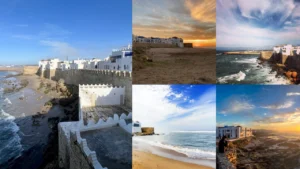
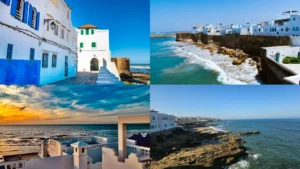
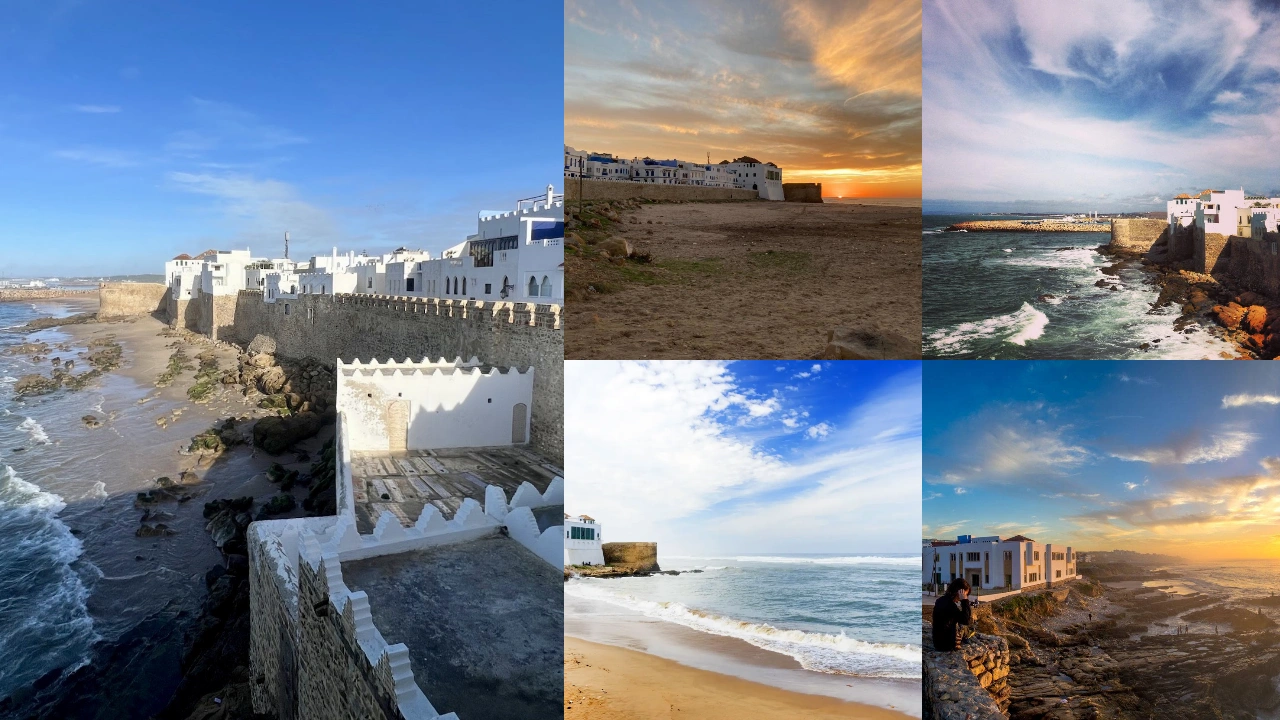
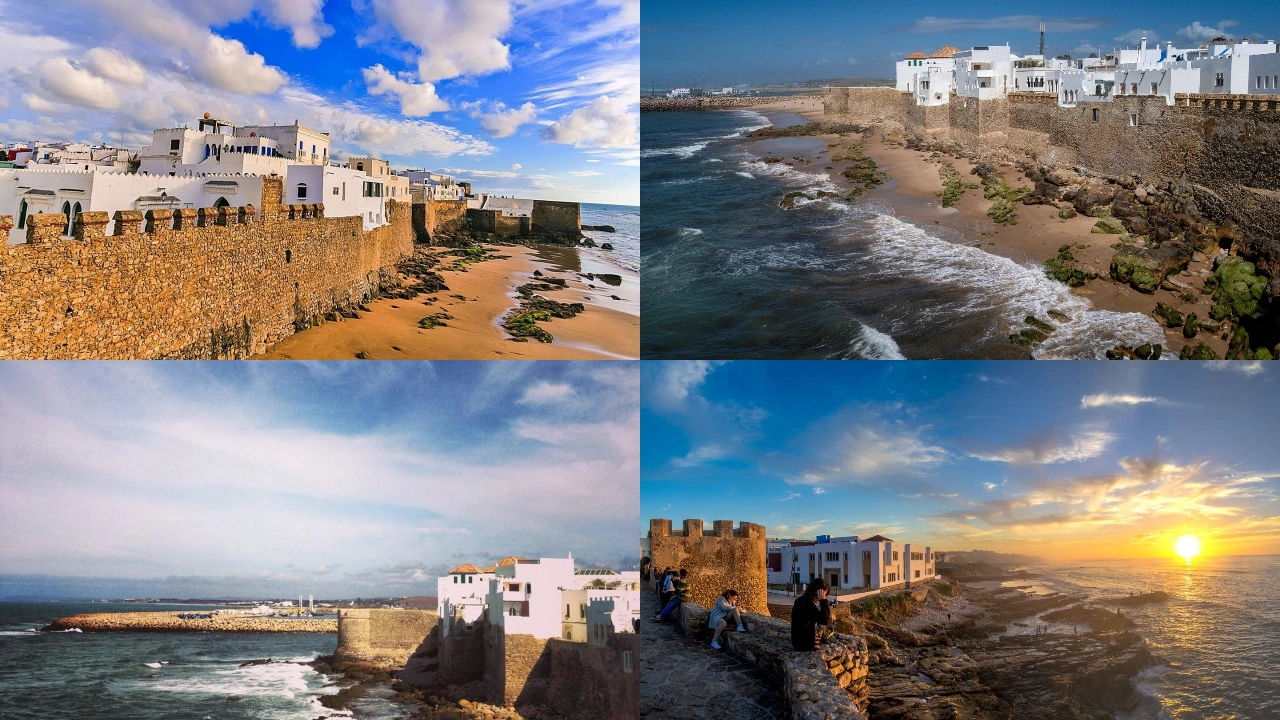
Situated between the bustling urban centers of Tangier and Tetouan, Krikia is a charming coastal village whose raw and unspoiled natural scenery offers photographers a rare opportunity to capture the rugged Atlantic shoreline, undisturbed beaches, and dramatic cliff faces that many overlook in favor of the better-known tourist spots. The village itself retains a tranquil atmosphere, providing intimate scenes of everyday Moroccan coastal life—fishermen at work, colorful boats bobbing in the harbor, and traditional architecture that contrasts beautifully with the natural environment.
Sunrise and sunset are particularly rewarding times in Krikia. The soft, golden light over the Atlantic shores is ideal for capturing sweeping panoramic shots, while the interplay between shadows and light in the nearby hills reveals textures and layers that add depth and drama to landscape compositions. For photographers specializing in seascapes, this region offers the chance to experiment with long exposures against crashing waves, bringing energetic movement alive within static frames.
Beyond the immediate coastline, the rolling hills and olive groves surrounding Krikia provide a contrasting palette of earthy greens and browns, interspersed with whitewashed farmhouses and narrow dirt paths. During spring, wildflowers bloom profusely in these areas, introducing vivid splashes of color that enrich landscape photography.
Best Photo Spots North Morocco: Coastal and Natural Highlights near Krikia
While Krikia itself is a photo-worthy destination, it serves as a strategic base for exploring some of the best photo spots in North Morocco, stretching along the coast and into the Rif Mountains.
Cap Spartel Headland is a striking promontory just west of Tangier, where the Atlantic Ocean meets the Mediterranean Sea. Its lighthouse, standing sentinel over the dramatic cliffs, is an iconic subject, especially under shifting weather conditions that range from clear azure skies to mysterious fog banks rolling in from the sea. The surrounding coastal paths afford panoramic vantage points perfect for wide-angle landscape shots.
The nearby Cueva de Hércules (Hercules Cave) offers a fascinating blend of natural beauty and mythological intrigue. The cave’s sea-facing opening, naturally shaped like a map of Africa, creates a captivating silhouette at sunset that resonates with cultural symbolism, a distinctive image that cannot be replicated elsewhere in Morocco.
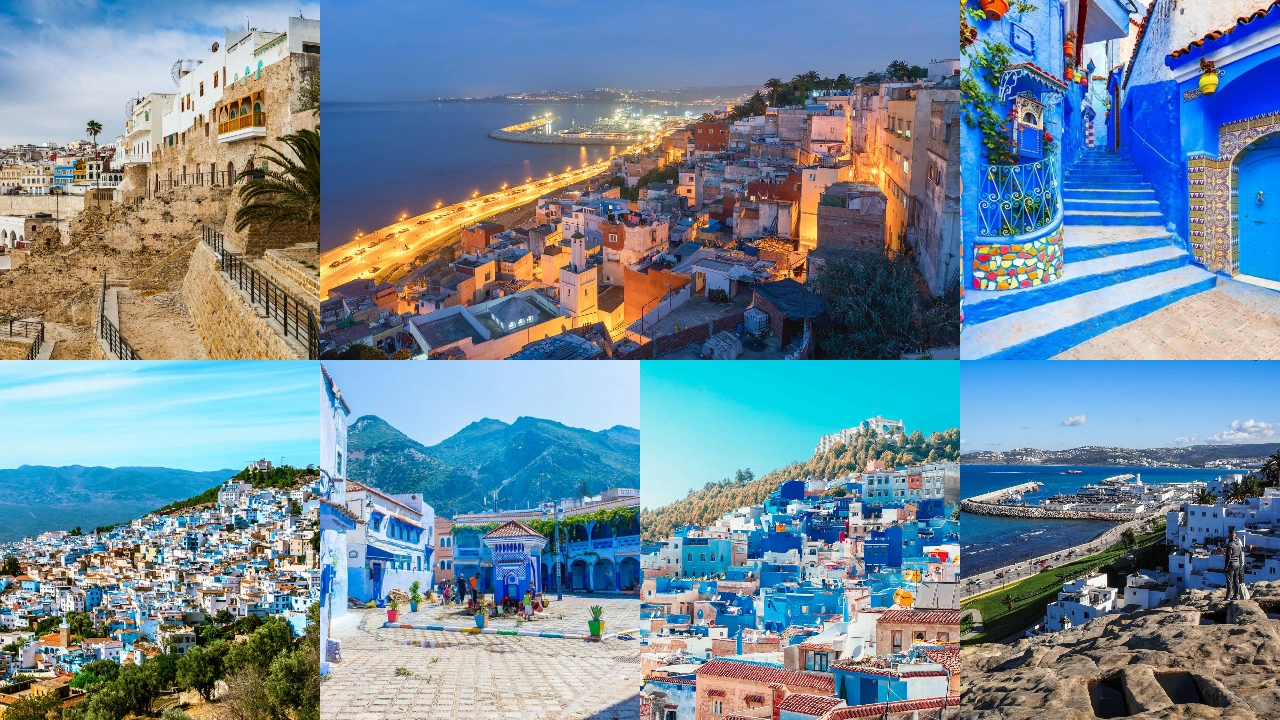
Inland from the coast, the Rif Mountains present an array of photogenic opportunities. Towns like Chefchaouen, though more distant, are renowned for their distinctive blue-washed streets, but closer to Krikia, smaller villages and terraced hillsides come alive with traditional Berber culture and rich textures well-suited for detailed landscape and cultural photography.
Tangier and Asilah: Urban and Coastal Contrasts for Photographers
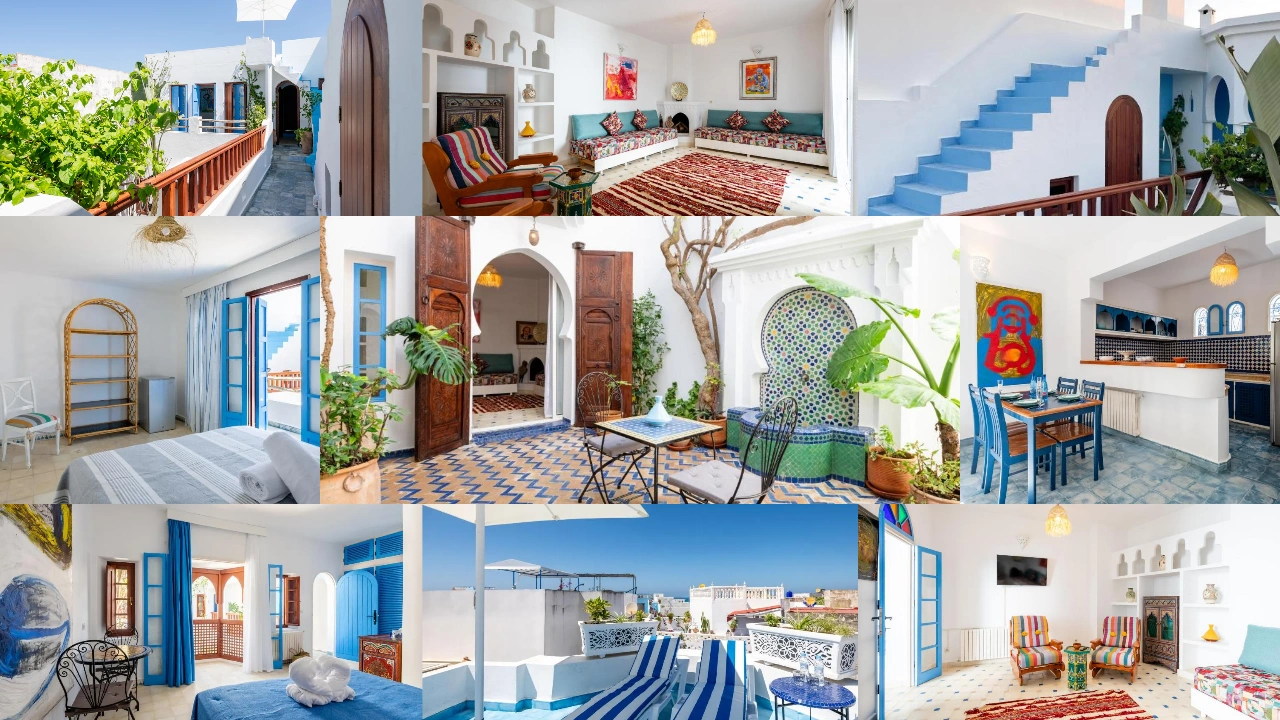
Tangier offers a dynamic contrast to Krikia’s serenity. Its eclectic mix of modern developments and historic medinas resonates with vibrant street photography and architectural studies. The Kasbah neighborhood and its traditional riads provide photogenic settings imbued with Moroccan history and atmosphere. For those seeking accommodations near Tangier’s city center with easy access to photo excursions, boutique options like El Toro Hotel provide both comfort and proximity.
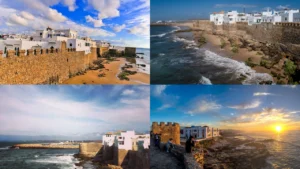
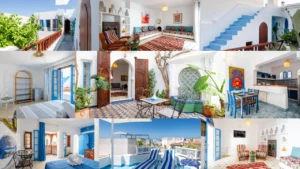
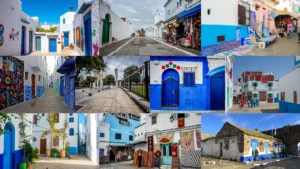
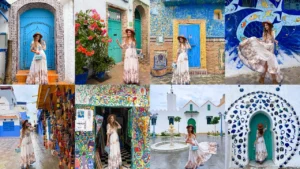
A short drive south along the coast leads to Asilah, famed for its annual mural festival and relaxed medina ambiance. The town’s fortified walls, labyrinthine streets, and bright seaside vistas inspire creative framing and capture of light and shadow interplay. Staying at an authentic riad such as Riad Asilah 32 integrates photographers into the local atmosphere, offering immersive access to the coastal town’s rhythms and visual details.
Stays and Base Options for Professional Photographers in Northern Morocco
For landscape photographers, having a comfortable and well-located place to rest and organize gear is essential. Near Tangier, accommodations like Mnar Castle stand out as premium residences with spacious units and sea views, ideal for extended stays where one can plan multi-day shooting sessions. Closer to the coast in Krikia, options are fewer, but nearby towns and cities provide ample rental properties through short-term portfolios like Kasbah’s Keys, which include apartments and houses in both Tangier and Asilah. Such local resources enable photographers to select accommodations that suit their logistical needs, whether prioritizing proximity to specific landscapes or urban environments.
Experiences and Activities to Enhance the Photographer’s Visit
Northern Morocco’s diverse landscapes are complemented by activities that offer fresh photographic subjects or provide essential downtime amid intense shooting schedules. For instance, participating in a seafood cooking class in Tangier, such as the Fish Pick Cook experience, allows photographers to capture vibrant market scenes, colorful fish varieties, and the convivial atmosphere of a Moroccan kitchen. These moments add cultural narratives that enrich a travel portfolio.
Outdoor adventures like horseback riding and off-road tours provide unique perspectives on rugged terrain that are otherwise inaccessible. Trails along the coast or into the Rif foothills offer elevated viewpoints and dynamic foreground compositions for landscape photography. Platforms listing options for Off-Road Tours or Horseback Riding facilitate access to such experiences, giving photographers alternative angles and the chance to document untouched rural scenes.
Reliable transport is equally important; professional photographers often rely on private transfers for efficient movement between dispersed locations. Services organized through platforms like Private Transfers can simplify itinerary logistics, ensuring that early morning or late afternoon light opportunities are not missed.
Seasonal Considerations and Practical Tips for Photographers
Northern Morocco’s Mediterranean climate makes spring (March to May) and autumn (September to November) the optimal seasons for photography, combining mild temperatures with favorable light conditions. Summers can be hot, particularly inland, while winter may bring rain and overcast skies, which, though challenging, can offer atmospheric moods for moody or monochrome projects.
Photographers should prepare for varying shooting conditions—from harsh coastal winds to intense midday sunlight. Bringing protective gear for equipment and planning multiple visits to key spots to catch different light sets enhances the quality of outcome. Local insights, often shared through travel communities or platforms like ExpertBook, can be invaluable in identifying hidden viewpoints or less crowded scenes that escape mainstream guides.
Final Thoughts on Krikia and the Best Photo Spots North Morocco
For professional landscape photographers, Krikia and its surrounding Northern Moroccan environs offer a compelling mixture of raw natural beauty, cultural richness, and strategic access to a variety of landscapes — from windswept coasts to fertile mountain foothills. Complementing these with stays in well-selected accommodations, and engaging local experiences enriches the narrative potential of photographic work.
Travelers planning photographic journeys through Northern Morocco often use ExpertBook to arrange tailored stays and discover noteworthy activities, appreciating the platform’s local expertise and comprehensive listings. Whether your focus is dynamic seascapes, cultural architecture, or immersive rural scenes, Krikia and the broader Tangier-Tetouan region represent some of the best photo spots North Morocco has to reveal.
FAQs
What are the best times to visit Northern Morocco for photography?
The optimal seasons for photography in Northern Morocco are spring (March to May) and autumn (September to November) due to mild temperatures and favorable light conditions.
What should I pack for photography in Northern Morocco?
It’s essential to bring protective gear for your equipment, clothing suitable for changing weather conditions, and extra batteries and memory cards for your camera.
Are there guided tours for photography in Northern Morocco?
Yes, there are various guided tours and excursions available that focus on photography, including off-road tours and cultural experiences.
What accommodations are available for photographers in Northern Morocco?
Photographers can find accommodations such as boutique hotels and authentic riads in towns like Tangier and Asilah, as well as rental properties in nearby areas for convenient access to various shooting locations.
What unique photography subjects can I expect in Northern Morocco?
Northern Morocco offers a wide range of subjects, including dramatic coastal landscapes, traditional Berber culture, distinctive architecture in towns like Tangier and Asilah, and vibrant local markets.