Estimated reading time: 6 minutes
- Tangier’s Spanish heritage is prominently showcased through the Gran Teatro Cervantes.
- The theater represents a fusion of Spanish architectural styles and Moroccan cultural elements.
- Visiting the Gran Teatro and its surroundings offers insights into the historical ties between Spain and Morocco.
- Cultural experiences, such as cooking classes, deepen the understanding of this rich heritage.
- Efforts to preserve and revitalize the Gran Teatro highlight the importance of intercultural dialogue.
Table of Contents
- The Gran Teatro Cervantes: A Window into Tangier’s Spanish Past
- Spanish Heritage in Tangier: Historical Context
- Visiting the Gran Teatro Cervantes and Surrounding Spanish Heritage Sites
- Accommodations and Experiences Reflecting Local Heritage
- Transportation and Getting Around the Gran Teatro Cervantes Area
- Preserving the Gran Teatro Cervantes and Future Prospects
- Spanish Influence Beyond the Gran Teatro Cervantes: Urban and Cultural Legacy
- Planning Your Visit: Best Time and Tips for Exploring Tangier’s Spanish Heritage
- Conclusion
The Gran Teatro Cervantes: A Window into Tangier’s Spanish Past
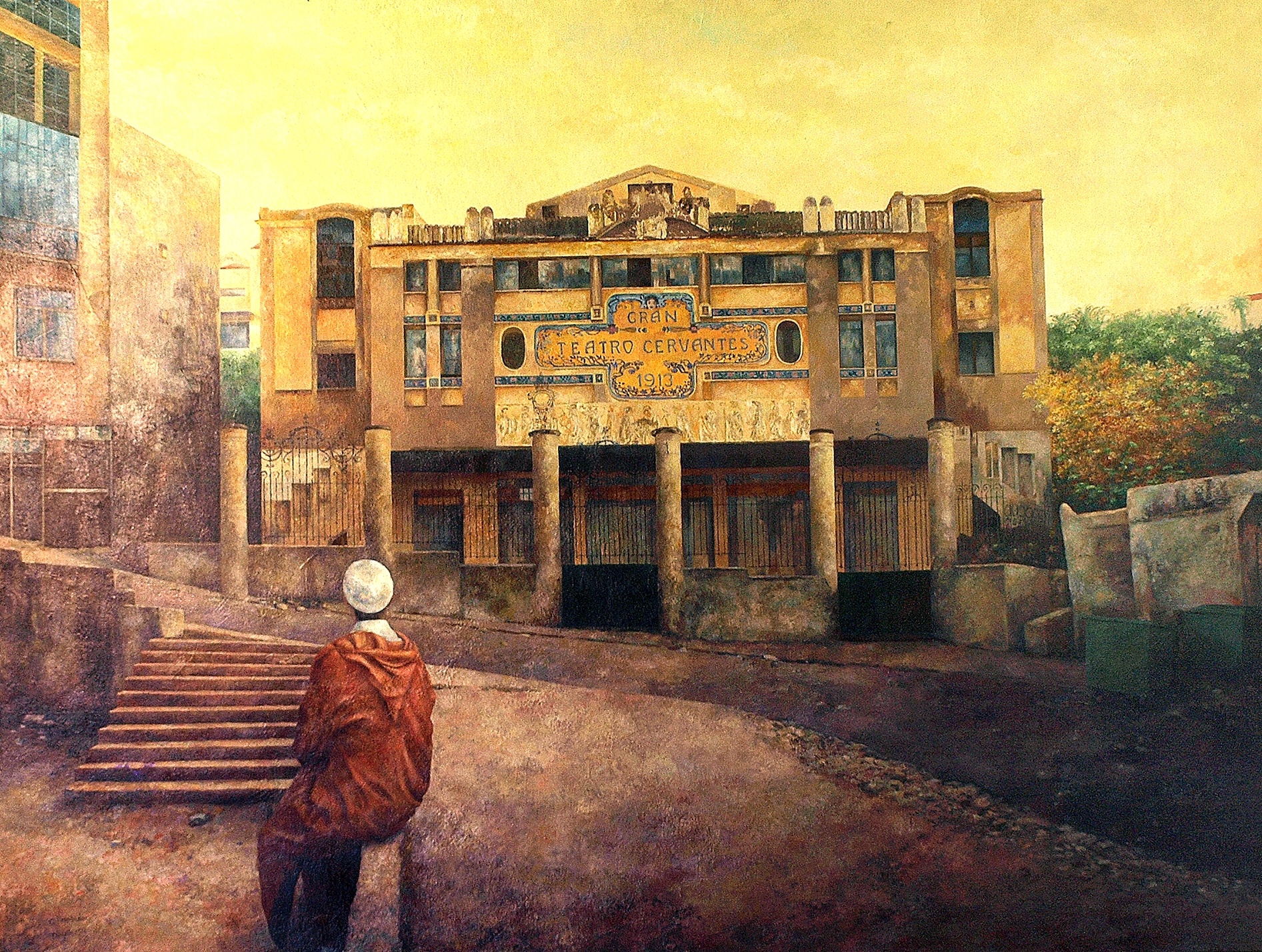
The Gran Teatro Cervantes stands as a majestic symbol of the Spanish presence in Tangier, originally built during the early 20th century when Spain exerted considerable influence in the city. Located in the heart of the medina district, near other cultural and historical landmarks, the theater was inaugurated in 1913 and soon became a focal point for social and artistic gatherings.
This grand building showcases classic Spanish architectural styles blended with Moroccan elements, exemplifying the cultural hybridity that characterizes much of Tangier’s urban landscape. The theater was named after Miguel de Cervantes, Spain’s celebrated writer, highlighting the cultural pride and artistic ambitions within the Spanish community in Tangier during that period.
Spanish Heritage in Tangier: Historical Context
To appreciate the significance of the Gran Teatro Cervantes, it is important to understand the broader Spanish heritage in Tangier. The city’s strategic location at the Strait of Gibraltar attracted numerous colonial powers, including Spain, France, and Britain. Spain’s influence was particularly strong in the northern part of Morocco and in Tangier itself due to various treaties and protectorate arrangements during the 19th and early 20th centuries.
Spanish culture is visible not only in architecture but also in the linguistic and culinary traditions of Tangier. Although Arabic and French are widely spoken, many locals, especially those connected with trade and older generations, speak Spanish. Traditional Spanish cuisine introduced through settlers and traders has also been adapted within Moroccan gastronomy in the region.
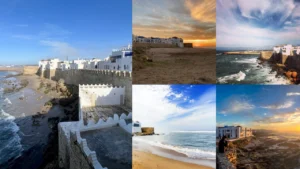
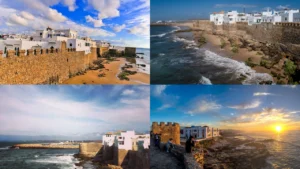
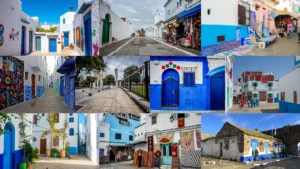
The Gran Teatro Cervantes’ location in the kasbah area — a historic and elevated part of the medina — places it amidst a network of narrow, labyrinthine streets full of vibrant life. The kasbah has served as a political and cultural hub since medieval times, and the presence of such a significant Spanish monument within it underscores the layered histories Tangier carries.
Visiting the Gran Teatro Cervantes and Surrounding Spanish Heritage Sites
For travelers seeking a deep dive into the Spanish heritage of Tangier, the Gran Teatro Cervantes is an essential destination. While the theater itself has faced periods of closure and restoration challenges, its facade and external architecture provide valuable insight into early 20th-century Spanish artistic ideals.
Nearby, you can explore other relics of Spanish presence such as former consulate buildings, plazas named after Spanish figures, and shops reflecting Spanish artisanal traditions. The blend of Spanish and local Moroccan influences is evident in the urban layout and the medina’s bustling markets where traders historically exchanged goods across cultural lines.
Accommodations and Experiences Reflecting Local Heritage
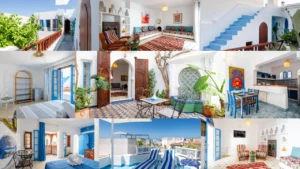
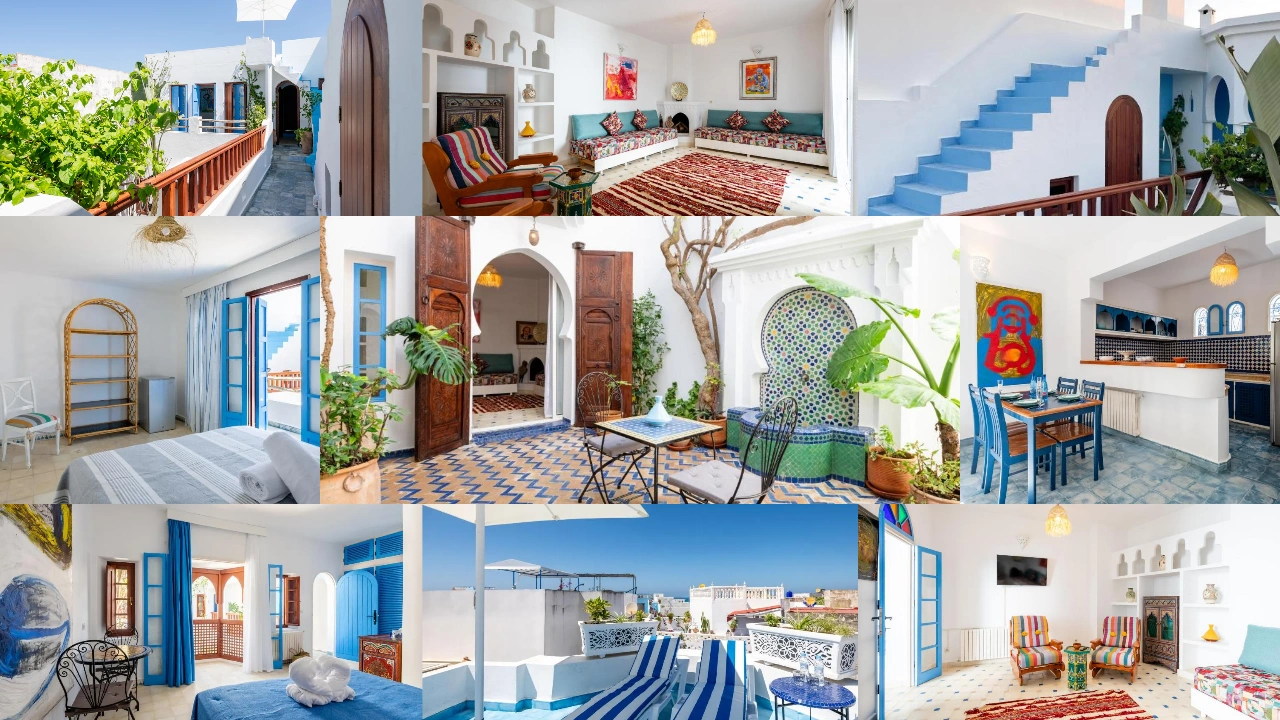
Exploring the Spanish heritage in Tangier also extends to the types of accommodations and local experiences available to visitors. Many travelers choose to stay in properties that offer a balance between modern comfort and authentic cultural immersion. For example, the Riad Sultana located in the historic kasbah area offers traditional Moroccan hospitality within a setting that evokes the medina’s historic ambiance, close to landmarks such as the Gran Teatro Cervantes.
For those interested in deeper cultural interactions, local experiences like cooking classes focusing on the fusion of Spanish and Moroccan flavors provide an immersive way to understand the region’s shared heritage. One option worth exploring is a market-to-table seafood cooking class, where participants can learn about Mediterranean culinary influences brought by the Spanish. Platforms like ExpertBook list such activities, including the popular Fish Pick Cook experience, allowing attendees to engage directly with the local culture.
Transportation and Getting Around the Gran Teatro Cervantes Area
Navigating Tangier’s historic center requires some familiarity with its compact streets and hilly terrain, particularly around the kasbah. Private transfer services are commonly used by visitors, families, and corporate guests to move comfortably between various points of interest, from accommodations to historic sites.
The Gran Teatro Cervantes’ central location makes it accessible from major city landmarks and port areas, facilitating easy inclusion in daily sightseeing itineraries. Travelers often use ExpertBook to arrange such transport services, ensuring smooth transfers especially when exploring a mix of urban and coastal sites in Tangier.
Preserving the Gran Teatro Cervantes and Future Prospects
In recent years, efforts have emerged to restore and revive cultural landmarks such as the Gran Teatro Cervantes to their former glory. Although the theater has suffered neglect at times, local authorities and cultural organizations recognize its potential as a catalytic cultural venue that can reconnect Tangier with its Spanish past.
Revitalization projects aim to transform the theater into a multidisciplinary arts center while preserving its architectural authenticity. This reflects a broader trend in Tangier to valorize its diverse heritage and promote intercultural dialogue through heritage sites.
Spanish Influence Beyond the Gran Teatro Cervantes: Urban and Cultural Legacy
The impact of Spanish heritage in Tangier extends beyond singular landmarks. The urban fabric, with its combination of Moorish styles and Spanish architecture, reflects a centuries-old cooperation and tension between cultures. Key neighborhoods, such as the area surrounding the Gran Teatro Cervantes, exhibit facades with distinct tiled motifs, wrought iron balconies, and intricate woodwork reminiscent of Andalusian design.
Moreover, Tangier’s literature and arts scenes have been shaped by Spanish cultural exchanges over time. The city’s role as a melting pot was significant during the period known as the International Zone (1923-1956), when multiple nationalities lived and worked under a unique administrative system. Spanish language newspapers, theaters, and clubs flourished, leaving an enduring imprint.
For contemporary visitors and cultural researchers alike, understanding this Spanish heritage adds depth and nuance to the Tangier experience. It illustrates how historical narratives interweave and contribute to the modern identity of Northern Morocco.
Planning Your Visit: Best Time and Tips for Exploring Tangier’s Spanish Heritage
The best time to experience Tangier and its historic sites like the Gran Teatro Cervantes is during the spring (March to May) or autumn (September to November), when the weather is mild and pleasant. Summers can be hot and crowded, while winters are generally mild but sometimes rainy.
Walking tours focusing on architectural heritage, including Spanish colonial buildings and theaters, are popular ways of uncovering hidden stories about the city. It is advisable to combine visits to the Gran Teatro Cervantes with trips to nearby cultural hotspots such as the Kasbah Museum, the Medina souks, and the port area.
For accommodation, choices range from boutique hotels to traditional riads and modern apartments, with options like the Blue Resort offering a more contemporary and tranquil setting a bit outside the bustling city center.
Conclusion
The Gran Teatro Cervantes stands as a testament to the rich Spanish heritage embedded within Tangier’s historical and cultural landscape. Its location in the heart of the old medina illustrates how Tangier’s identity is a complex tapestry woven from multiple cultural threads. Exploring this heritage allows travelers to appreciate not just architectural beauty but also the social and cultural dynamics that have shaped Northern Morocco.
Whether through visits to historic theaters, sampling Mediterranean-inspired cuisine, or engaging in authentic local experiences, the Spanish legacy is a vital part of what makes Tangier unique. If you are planning a trip to Northern Morocco, ExpertBook is a useful starting point for stays and activities that bring this heritage to life.
FAQs
What is the Gran Teatro Cervantes?
The Gran Teatro Cervantes is a historic theater in Tangier, built in the early 20th century, that showcases Spanish architectural influence blended with Moroccan elements.
How can I visit the Gran Teatro Cervantes?
The Gran Teatro Cervantes is located in the heart of Tangier’s medina and is accessible via walking tours or private transfer services. It is advisable to check the theater’s hours of operation before visiting.
Why is Spanish heritage significant in Tangier?
Spanish heritage is significant in Tangier as it highlights the cultural exchanges and historical ties between Spain and Morocco, influencing the city’s architecture, language, and culinary traditions.
What local experiences can I try in Tangier that reflect its Spanish heritage?
Travelers can participate in cooking classes that focus on the fusion of Spanish and Moroccan cuisine or explore heritage walking tours that cover Spanish colonial sites and cultural influences in the city.
When is the best time to visit Tangier for cultural exploration?
The best times to visit Tangier for cultural exploration are during spring (March to May) and autumn (September to November) when the weather is mild and many cultural activities occur.