Estimated reading time: 6 minutes
- Discover the rich history and vibrant contemporary art scene of Tangier.
- The Kasbah Museum offers insights into Moroccan arts and crafts.
- Experience the dynamic contemporary art scene in Tangier.
- Explore the Kasbah district and its cultural offerings.
- Find local recommendations for accommodations and dining.
Table of Contents
- The Kasbah Museum: A Portal to Tangier’s Past
- Museums of Tangier and Contemporary Art: Bridging Tradition and Modernity
- Experiencing the Kasbah District and Museums of Tangier
- Stays and Local Recommendations for Museum Visitors
- Activities to Supplement Your Cultural Visit
- Dining Near Museums and Cultural Sites
- Getting Around: Transport and Practical Tips
- Conclusion
The Kasbah Museum: A Portal to Tangier’s Past
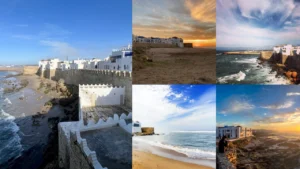
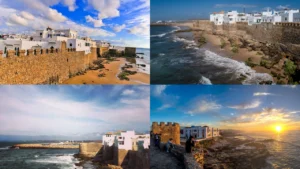
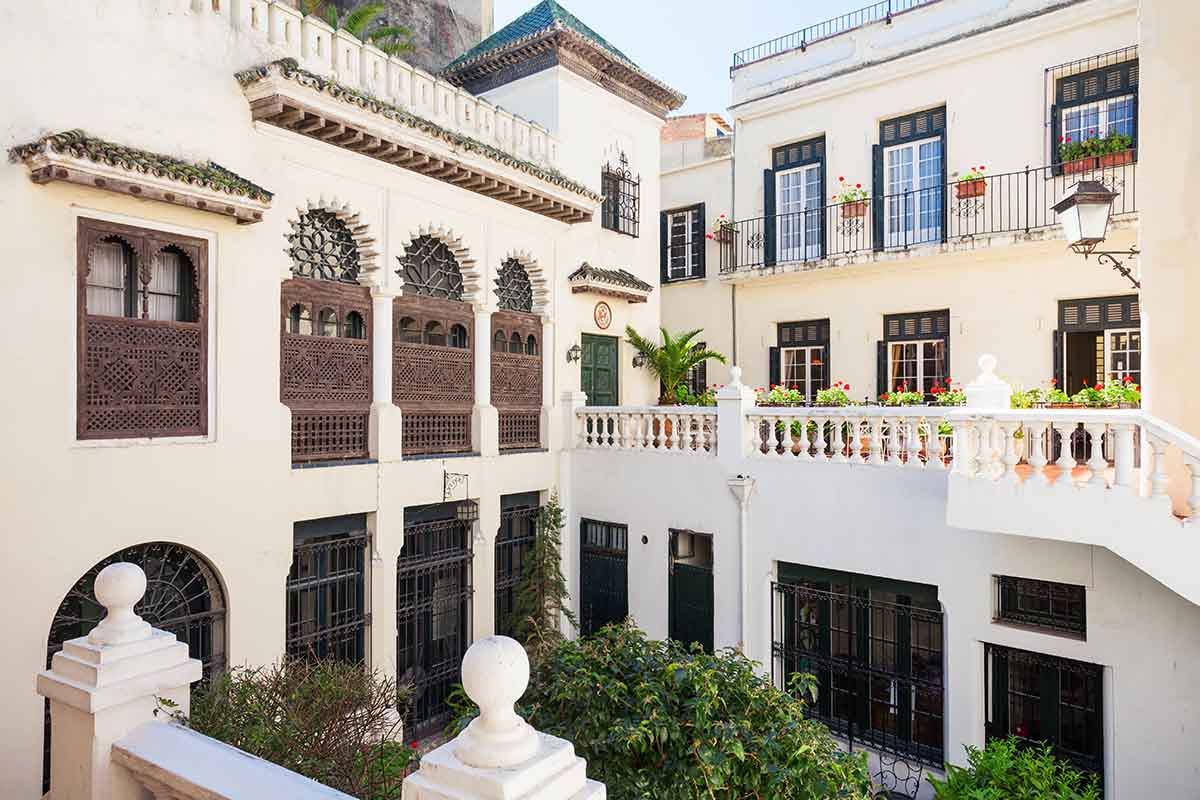
Located within the ancient walls of Tangier’s Kasbah district, the Kasbah Museum, officially known as the Museum of Moroccan Arts, occupies the former Sultan’s palace, Dar el-Makhzen. This historic setting itself enriches the visitor experience, with its traditional Moorish architecture overlooking the port and the Strait of Gibraltar. The museum’s carefully curated collections focus on Moroccan arts and crafts, spanning centuries of history and a variety of cultural influences.
Visitors to the Kasbah Museum will find exhibitions featuring traditional costumes, pottery, jewelry, leatherwork, and intricate wood carvings. The displays provide an immersive look at the artisanal skills that have been cultivated across Morocco, with a particular emphasis on the northern region. Among the more notable pieces are beautifully decorated Qur’anic manuscripts, illustrating the Islamic heritage deeply rooted in Tangier’s cultural fabric.
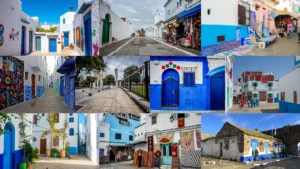
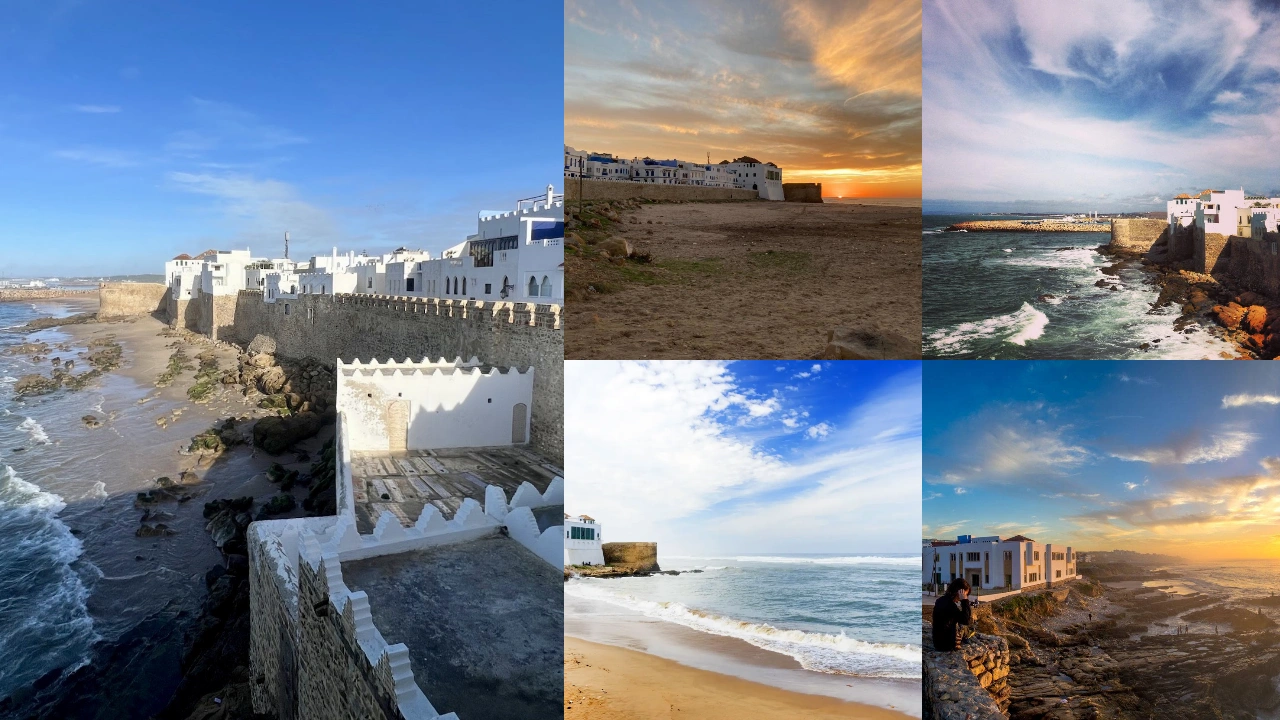
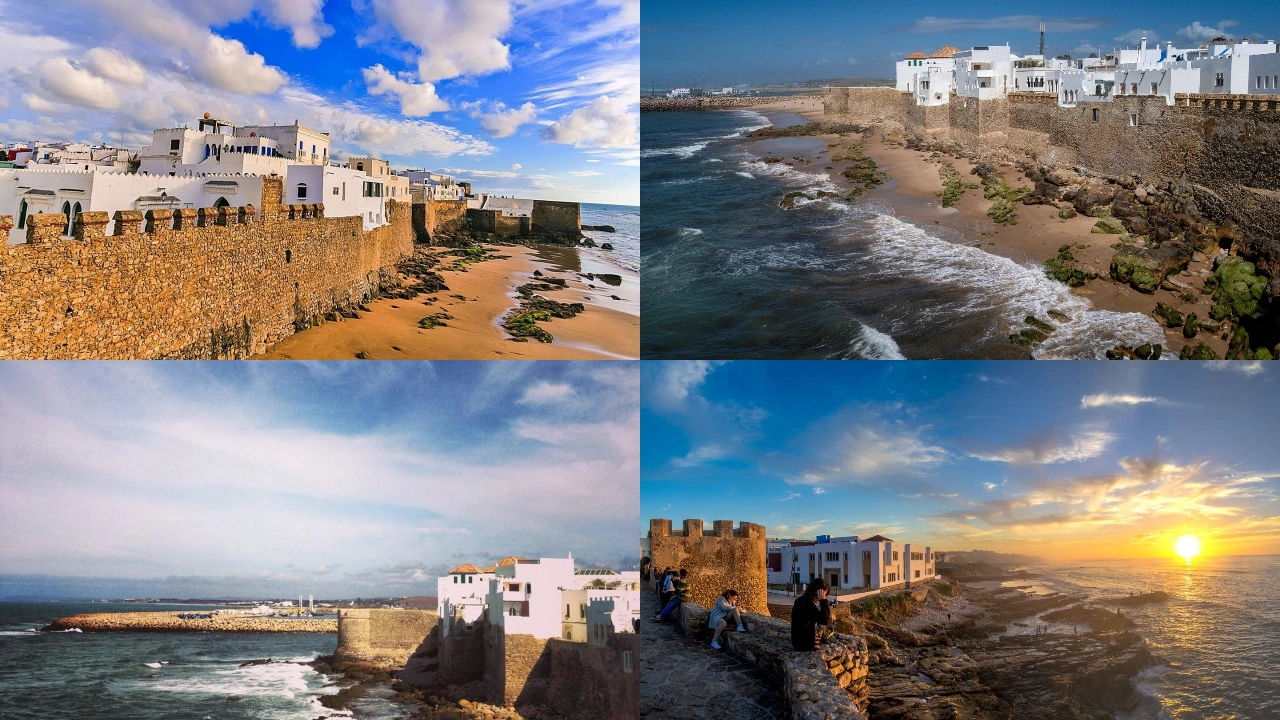
The museum’s location in the Kasbah, a historic fortress quarter, is significant in itself. Strolling the narrow alleyways leading to the museum, travelers get a firsthand sense of the old medina’s atmosphere — its maze-like streets, vibrant local life, and spectacular vantage points. The Kasbah Museum is an ideal starting point for those seeking to contextualize the historical layers upon which contemporary Tangier is built.
Museums of Tangier and Contemporary Art: Bridging Tradition and Modernity
While the Kasbah Museum offers a window into Tangier’s rich past, the city also nurtures a dynamic contemporary art scene that has grown steadily over recent decades. This duality is emblematic of Tangier’s cultural evolution — a place where tradition and modernity coexist and inspire each other.
Throughout the city, several galleries and exhibition spaces showcase contemporary Moroccan artists and international creatives drawn by Tangier’s vibrant atmosphere. These museums of Tangier foster innovative expressions in painting, sculpture, photography, and mixed media, reflecting social themes, urban life, and the changing cultural landscape of the city and country.
One striking aspect of Tangier’s contemporary art scene is its connection to the restored medina neighborhoods, where traditional aesthetics meet avant-garde creativity. Visitors exploring these areas will often come across studios and galleries integrated into the old buildings, providing a unique setting for experiencing art. Platforms like ExpertBook often list current exhibitions and art-related activities, facilitating enriching cultural visits for travelers seeking more immersive experiences.
Experiencing the Kasbah District and Museums of Tangier
The Kasbah district serves as both a historical site and a lively cultural hub. After touring the Kasbah Museum, visitors can explore the surrounding areas, including the Dar el Makhzen gardens, which offer breathtaking views of the Mediterranean coastline and create a peaceful contrast to the bustling streets below. The district also hosts occasional temporary exhibitions and cultural events that highlight contemporary Moroccan art and heritage.
To complement a visit to the Kasbah Museum, travelers might consider pairing it with a guided walking tour of the medina and its museums, allowing for a broader understanding of Tangier’s multifaceted history. These tours often incorporate stops at artisan workshops, local galleries, and smaller cultural centers, enriching the narrative beyond the main museum’s walls.
Stays and Local Recommendations for Museum Visitors
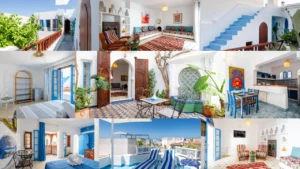
For those planning to immerse themselves in the museums of Tangier and its broader cultural offerings, selecting accommodations close to the medina and Kasbah district adds convenience to the experience. Boutique city hotels like El Toro Hotel offer comfortable leisure and business stays with easy access to cultural sites and the city center.
Alternatively, for visitors seeking a serene environment after a day of exploration, the Blue Resort is a modern resort-style property in a calm setting, ideal for relaxation with leisure amenities. For longer stays or family visits, Mnar Castle offers spacious residences with sea views and resort conveniences, a perfect base from which to explore Northern Morocco’s cultural landscape.
Activities to Supplement Your Cultural Visit
Engaging with Tangier’s cultural scene extends beyond the museums. For an interactive taste of local heritage, the “Fish Pick Cook” experience invites participants to select fresh seafood from the local market and prepare a traditional Moroccan meal under the guidance of a chef — a market-to-table culinary journey that complements an arts-focused itinerary.
For those interested in exploring the natural beauty surrounding Tangier while deepening their cultural understanding, options like horseback riding trails overlooking the sea or off-road tours into the Rif Mountains showcase Morocco’s varied landscapes. These activities provide a balance of cultural enrichment and outdoor adventure.
In addition, private day trips with flexible itineraries enable travelers to visit sites such as Cap Spartel, Caves of Hercules, or nearby towns, tailoring each journey to personal interests. Platforms featuring such activities often coordinate these experiences effortlessly.
Dining Near Museums and Cultural Sites
After a day immersed in museums and galleries, dining options that cater to both guests and business travelers offer a convenient and quality conclusion to cultural outings. Restaurants like La Plaza Restaurant provide well-regarded cuisine in a relaxed setting, accommodating groups and individuals seeking authentic flavors in proximity to the medina and museum areas.
Getting Around: Transport and Practical Tips
Navigating Tangier’s winding streets and cultural districts is straightforward with reliable transportation options. Families and corporate groups often rely on private transfer services for punctual and comfortable rides between hotels, museums, and activity sites. These services enhance efficiency, particularly when coordinating tight schedules for museum visits or combining multiple cultural stops in one day.
The best time to explore museums and outdoor attractions in Tangier is during spring (March to May) and autumn (September to November), when temperatures are mild and comfortable. Summers can be quite warm, especially in July and August, while winters remain moderate but slightly wetter.
Conclusion
The museums of Tangier, led prominently by the Kasbah Museum, are essential destinations for anyone interested in the historical depth and contemporary vitality of Northern Morocco’s cultural landscape. They offer a multidimensional experience, blending heritage preservation with evolving artistic expressions. Complemented by thoughtfully chosen accommodations, immersive activities, and convenient transport, trips centered around these museums provide meaningful insights into Tangier’s unique identity at the crossroads of continents and eras.
If you’re planning a trip to Northern Morocco, ExpertBook is a useful starting point for stays and activities in Tangier and its surroundings, helping you design a culturally rich and well-coordinated visit to the museums of Tangier.
Frequently Asked Questions
What museums are there in Tangier?
Tangier is home to several notable museums, including the Kasbah Museum (Museum of Moroccan Arts), the American Legation Museum, and the Museum of Contemporary Art. Each offers a unique perspective on the city’s cultural heritage and modern artistic expressions.
How much does it cost to visit the Kasbah Museum?
Admission fees for the Kasbah Museum are modest, making it accessible to a wide range of visitors. It’s advisable to check the museum’s official website or inquire locally for the most up-to-date information on ticket prices.
Is Tangier safe for tourists?
Tangier is generally considered safe for tourists, especially in popular tourist areas. However, like any travel destination, it’s important to remain aware of your surroundings and take standard safety precautions.
What is the best time to visit Tangier?
The best times to visit Tangier are in spring (March to May) and autumn (September to November) when the weather is mild and pleasant for exploring the city and its attractions.
Are there guided tours available in Tangier?
Yes, there are various guided tours available in Tangier that explore the city’s history, art, and culture. Many tours offer unique experiences, including visits to museums, galleries, and artisan workshops.