Estimated reading time: 6 minutes
- Discover the intricate maze of Tangier’s medina.
- Explore key neighborhoods and hidden alleyways.
- Engage in local activities and culinary experiences.
- Find authentic accommodations within the medina.
- Utilize practical tips for navigating and enjoying your visit.
Table of Contents
- The Structure and Essence of Tangier’s Medina
- Key Neighborhoods and Alleyway Highlights
- Navigating the Medina: Tips and Tools
- Authentic Stays within the Medina’s Embrace
- Experiences that Reveal the Medina’s Soul
- Seasonal Considerations and Practical Details
- Getting Around and Additional Resources
- Conclusion
The Structure and Essence of Tangier’s Medina
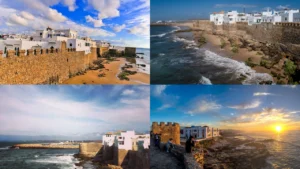
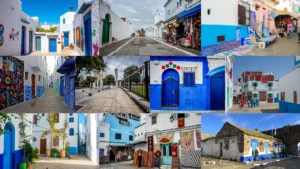
Tangier’s medina, often overshadowed by more famous Moroccan cities like Fez and Marrakech, possesses its own distinct character. It occupies a compact area tucked between the Kasbah to the south and the newer Ville Nouvelle. The medina is a network of tightly woven streets and alleys, some no wider than a meter, designed historically to provide shade and security and to confuse potential invaders.
The main gateways into the medina include Bab Fahs and Bab Kasbah, which both lead into winding streets lined with souks (markets), artisan workshops, and neighborhood cafes. A Medina Guide starts with an understanding that Tangier’s medina lacks a grid layout; instead, it grew organically over centuries, shaped by Berber, Arab, and European influences. This makes it an intriguing challenge to navigate but also very rewarding.
Key Neighborhoods and Alleyway Highlights
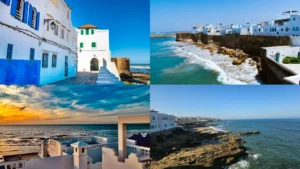
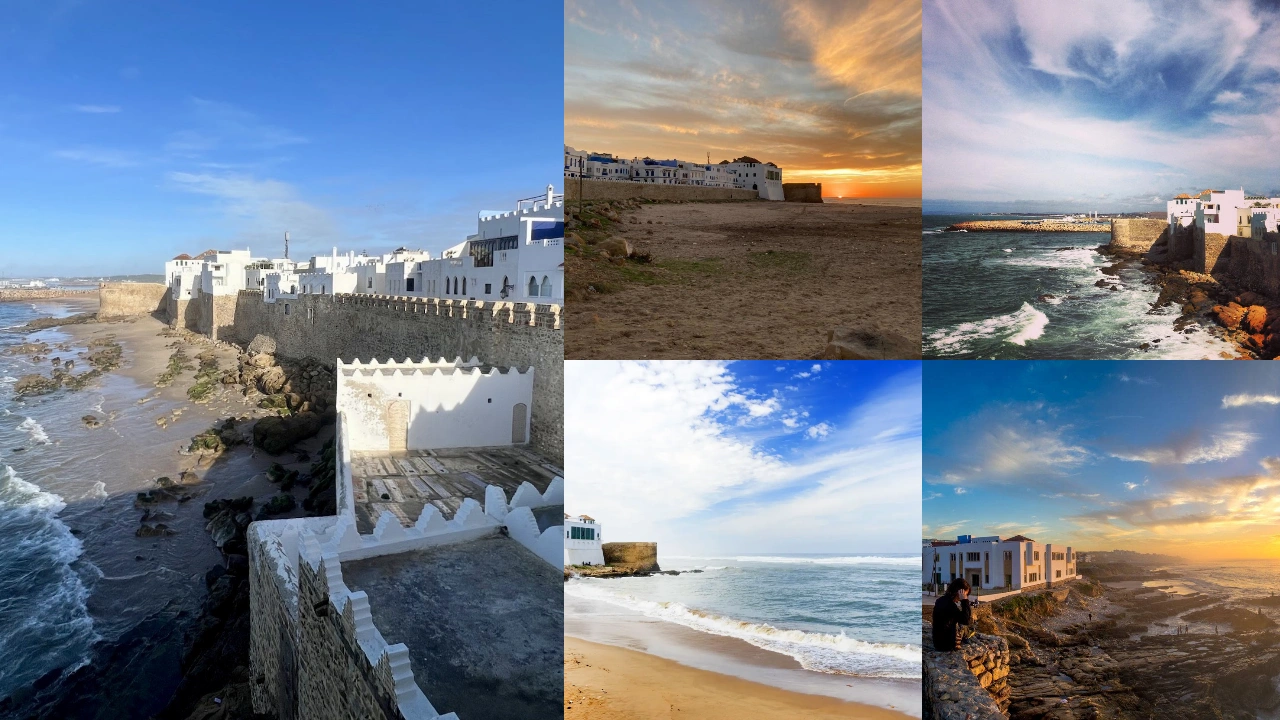
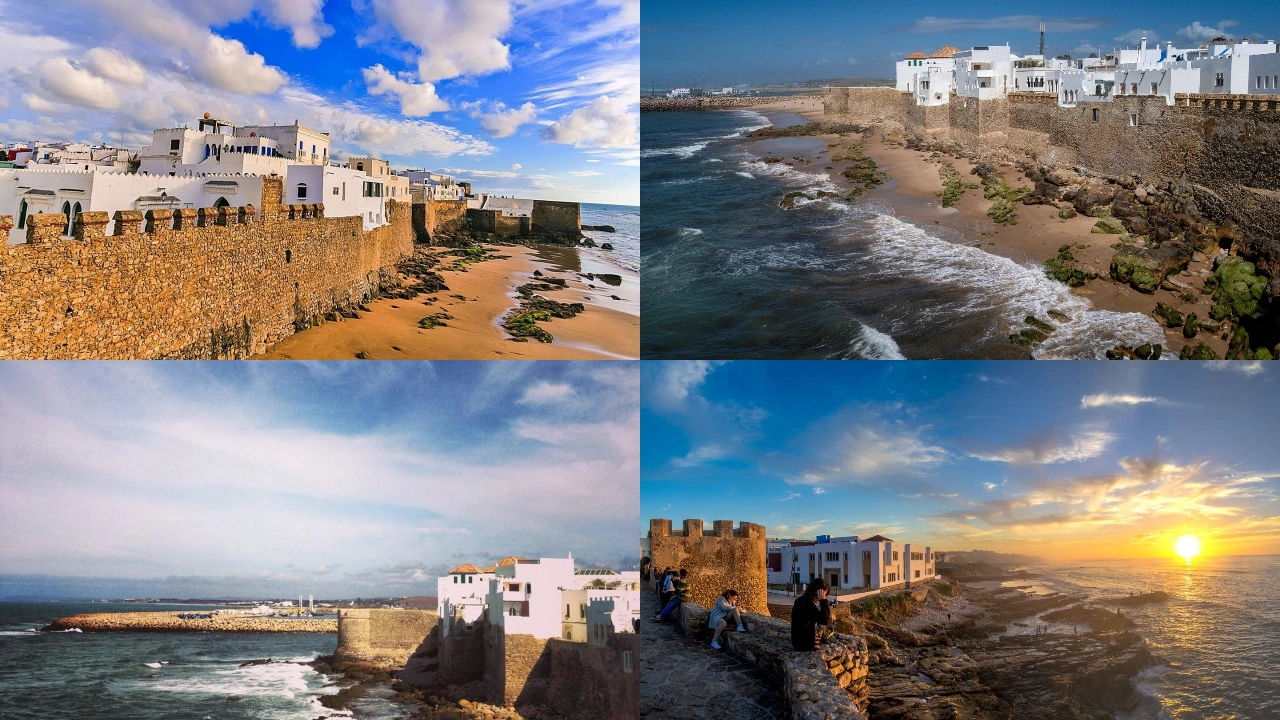
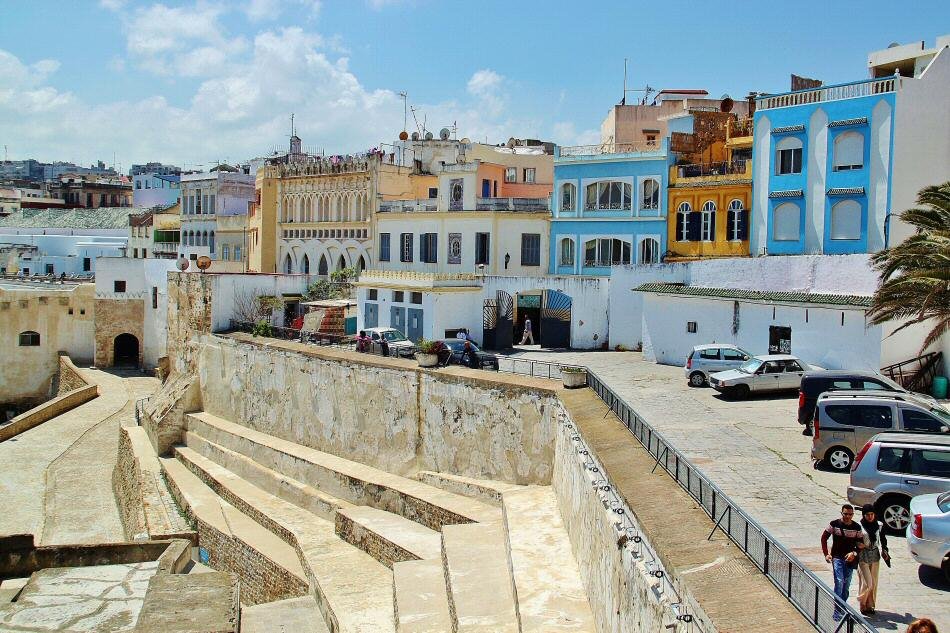
One of the best ways to experience Tangier’s medina is by exploring its distinctive neighborhoods, each with its own atmosphere. The Kasbah quarter, perched atop the medina’s southern edge, is home to the Sultan’s former palace and offers stunning views of the Strait of Gibraltar. The maze here features narrow staircases, secret patios, and quiet corners that few tourists discover.
Adjacent to the Kasbah is the heart of the medina, where merchants sell everything from spices and textiles to ceramics and traditional garments. This area is alive from early morning until nightfall, with vendors calling out and craftsmen focused on their trade. The narrower alleys here provide a genuine glimpse into daily Moroccan life, far from the larger tourist crowds.
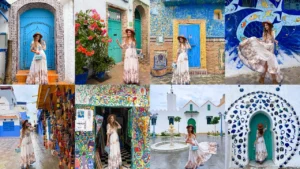
Wandering deeper into the medina’s alleyways, travelers stumble upon hidden gems: small, family-run cafes serving mint tea; workshops where artisans create intricate woodwork; and peaceful courtyards surrounded by riads and guesthouses. The texture of the walls—weathered yet vibrant with blue and ochre tones—adds to the sensory experience.
Navigating the Medina: Tips and Tools
Given the complexity of the medina, a well-organized Medina Guide is invaluable. Although modern technology aids navigation, many alleys remain poorly labeled or absent from standard maps. One practical tip is to start explorations in the morning when the medina is less crowded and shopkeepers begin to open their stalls. A mental or physical map can be created by identifying key landmarks such as mosques, fountains, or well-known squares to use as reference points.
Travelers often use platforms like ExpertBook to arrange knowledgeable local guides who specialize in Tangier’s medina. These guides provide context beyond what a mere map can show, including stories behind specific doorways, the origins of certain street names, and insights into the hidden architecture.
Additionally, certain alleyways function as secret shortcuts connecting hidden buildings or terraces with panoramic views of the city and sea. Discovering these paths often requires a local’s perspective or a detailed Medina Guide. It is also advisable to wear comfortable walking shoes and remain aware of your surroundings to respect the privacy and everyday life of residents.
Authentic Stays within the Medina’s Embrace
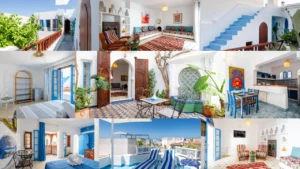
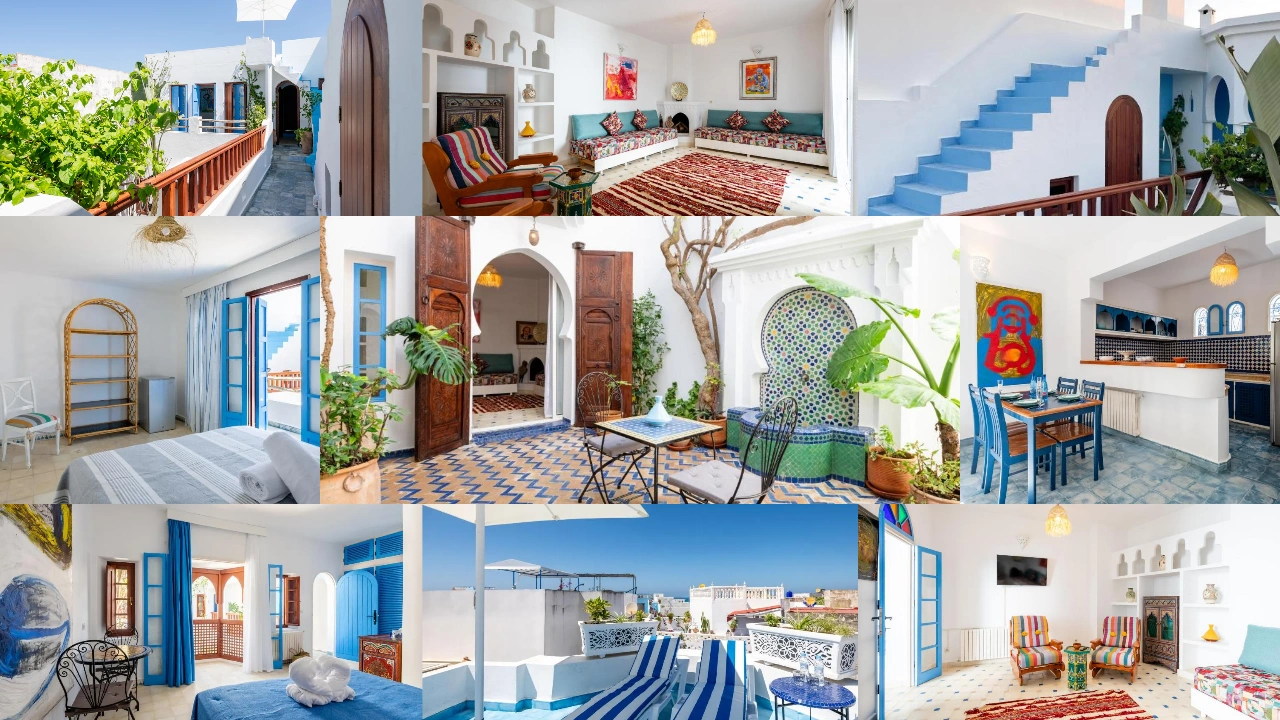
For travelers looking to immerse themselves fully in Tangier’s heritage, staying within the medina is highly recommended. Traditional riads such as Riad Sultana offer an authentic Moroccan lodging experience, with serene courtyards and intricate tilework reflecting the city’s cultural layers. These types of accommodations allow guests to wake up surrounded by the sounds and smells of the bustling medina yet retreat to peaceful, beautifully restored spaces.
Alternatively, for those desiring a blend of modern amenities and proximity to historic sites, properties such as the Blue Resort provide a calm setting on the city’s outskirts while offering quick access to the medina’s core. Meanwhile, short-term rental options like Kasbah’s Keys offer a portfolio of apartments within the medina and nearby neighborhoods, catering to different preferences for short or long stays.
Experiences that Reveal the Medina’s Soul
Beyond visiting historic sites and shopping, engaging in Tangier’s authentic activities within or close to the medina enhances the understanding of local culture. Participating in a cooking class focused on traditional Moroccan cuisine often involves shopping for spices and ingredients at medina markets, providing a direct connection to the area’s culinary heritage.
Another enriching activity is the Fish Pick Cook experience, where travelers buy fresh catches from the nearby port market and prepare them with local chefs. This activity is not only a culinary adventure but also a sensory exploration of Tangier’s historic seaside medina district.
For those interested in exploring beyond the alleys, private day trips can be organized with stops at surrounding districts like Cap Spartel or the Caves of Hercules, linking natural wonders to the city’s rich past. Many travelers coordinate such arrangements via platforms like ExpertBook, ensuring tailored experiences suited to various interests.
Seasonal Considerations and Practical Details
Tangier’s climate is typically Mediterranean, with mild winters and warm summers, making spring and autumn the optimal seasons to explore the medina on foot. Summers can be hot, and the narrow stone alleyways, while shaded, can become quite warm during the afternoon. Winter months are quieter, providing a more intimate experience of local life.
In terms of pricing, purchasing handcrafted goods often involves friendly bargaining; awareness of market customs adds to the cultural appreciation. When staying inside the medina, expect accommodations to sometimes have modest space due to the ancient building structures, but compensated by charm and authenticity.
Getting Around and Additional Resources
Although the medina is best explored on foot, tangier benefits from reliable private transfer services for arrivals and departures or trips between the medina and farther-out attractions. Groups or corporate clients often find these services essential for smooth logistics, allowing them to focus on the experience rather than transportation challenges.
For up-to-date maps, activity options, and accommodation listings, travelers frequently consult resources such as ExpertBook. Such platforms provide curated insights contributed by locals and experienced guides that complement the on-ground exploration of Tangier’s alleyways and hidden corners.
Conclusion
Navigating Tangier’s medina is more than a simple walk through narrow streets; it’s a journey into the past and present of Northern Morocco’s cultural crossroads. A carefully prepared Medina Guide is crucial to unlocking the medina’s secrets, from exploring historic quarters and alleyways to engaging with authentic local experiences. Whether one stays in a traditional riad like Riad Sultana or chooses modern comforts at the Blue Resort, remaining close to these alleyways enriches any visit.
If you’re planning a trip to Northern Morocco, starting with a resource like ExpertBook helps in finding suitable stays and curated activities that capture the true essence of Tangier’s medina and its myriad hidden corners.
FAQs
What is the best time to visit Tangier’s medina?
Spring and autumn are the optimal seasons to explore the medina on foot due to mild temperatures, while summers can become quite hot.
What should I wear while exploring the medina?
It is advisable to wear comfortable walking shoes and dress in light, breathable clothing, as the alleyways can be warm.
Are there guided tours available in the medina?
Yes, there are local guides available through platforms like ExpertBook, which can enhance your exploration by providing historical context and insights.
Is bargaining expected in the medina?
Yes, friendly bargaining is a common practice when purchasing handcrafted goods in the medina, and it enhances the cultural experience.
What are the main attractions in the medina?
Key attractions include traditional souks, historic architectural landmarks, and local workshops showcasing Moroccan craftsmanship.