Estimated reading time: 7 minutes
- Experience the cultural mosaic of Tangier shaped by various influences.
- Explore the historic Medina and Kasbah, rich with artisan crafts and architecture.
- Dive into the vibrant culinary scene, including cooking classes and local dishes.
- Enjoy the lively musical traditions and festivals that reflect the city’s heritage.
- Understand local customs and practical tips for a respectful visit.
Table of Contents
- The Historical Heart: Exploring Tangier’s Medina and Kasbah
- Culinary Traditions: Experiencing Tangier Through Its Flavors
- Music, Dance, and Celebrations: The Rhythms of Tangier
- Traditional Experiences and Outdoor Activities: Connecting with Nature and Heritage
- Accommodations Reflecting Local Hospitality Traditions
- Respecting Local Customs: Practical Tips for Travelers
- Transportation and Getting Around
- Conclusion: Embracing the Living Traditions of Tangier
The Historical Heart: Exploring Tangier’s Medina and Kasbah
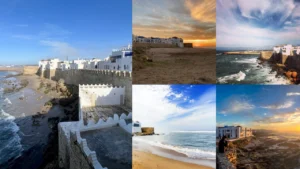
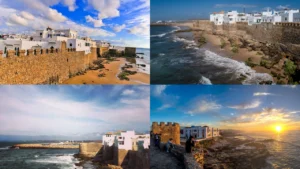
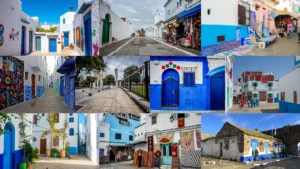
At the core of Tangier’s cultural traditions lies the old Medina, a winding maze of narrow streets, bustling souks, and historic architecture. This area reflects Tangier’s layered history, where Berber, Arab, Jewish, and European communities once lived side by side. Visitors walking through the Medina will find the Kasbah—a fortified citadel perched on a hill overlooking the sea—as a prominent feature of Tangier’s traditional landscape.
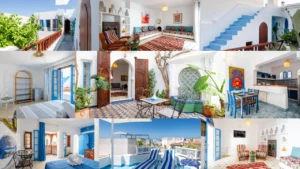
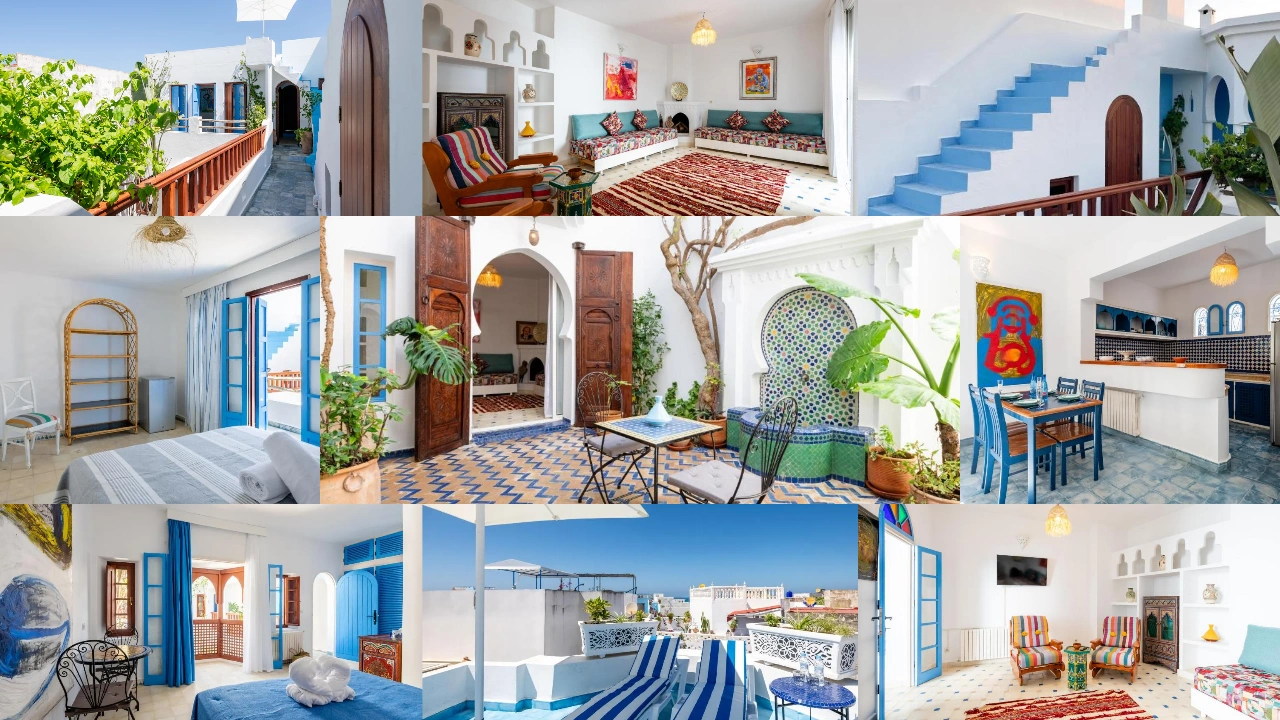
The Kasbah itself showcases remnants of Portuguese and Moroccan fortifications, and visiting its old palaces and gardens offers a glimpse into Tangier’s strategic importance throughout history. Staying in traditional riads within the Medina, such as the Riad Sultana, allows travelers to experience authentic Moroccan hospitality and architecture, complete with intricate tilework, peaceful courtyards, and decorative woodcarving that embody the city’s artistic traditions.
Throughout the Medina and Kasbah, local artisans continue to practice traditional crafts, including leatherwork, pottery, and textile weaving. The art of zellige tile-making, characterized by brightly colored geometric patterns, is especially prevalent. Visitors keen to explore these crafts can engage with workshops or explore markets where these handmade items become tangible souvenirs of Tangier’s cultural legacy.
Culinary Traditions: Experiencing Tangier Through Its Flavors
Food is a vital expression of the traditions of Tangier and a reflection of the city’s cosmopolitan past. Tangier’s culinary scene combines Andalusian influences with native Moroccan spices and Mediterranean ingredients. A typical meal here might include freshly caught seafood, perhaps prepared with preserved lemons and olives, alongside dishes like tagine, couscous, and rich pastillas.
An immersive way to connect with local culinary traditions is participating in a fish market-to-table cooking experience, such as the renowned Fish Pick Cook class. Here, visitors select fresh fish from the lively port market before learning traditional preparation techniques under the guidance of a Moroccan chef. It culminates in a long, convivial meal that reflects the social importance of food as a communal experience in Tangier’s culture.
For a more casual dining setting reflecting local habits, markets and street vendors offer small dishes like msemen (Moroccan pancakes) and sweet mint tea—a quintessential element of hospitality and social bonding in Tangier. Traditional cafes around the Grand Socco square invite conversation and relaxation, illustrating how tea-drinking rituals continue to uphold social tradition.
Music, Dance, and Celebrations: The Rhythms of Tangier
The auditory landscape of Tangier is enriched by musical traditions that echo its diverse past. Andalusi music, a refined art form brought by refugees from Spain centuries ago, remains a celebrated genre performed in cultural venues and festivals. Characterized by poetic lyrics and melodic ornamentations, this music carries emotional depth and historical narratives of exile and identity.
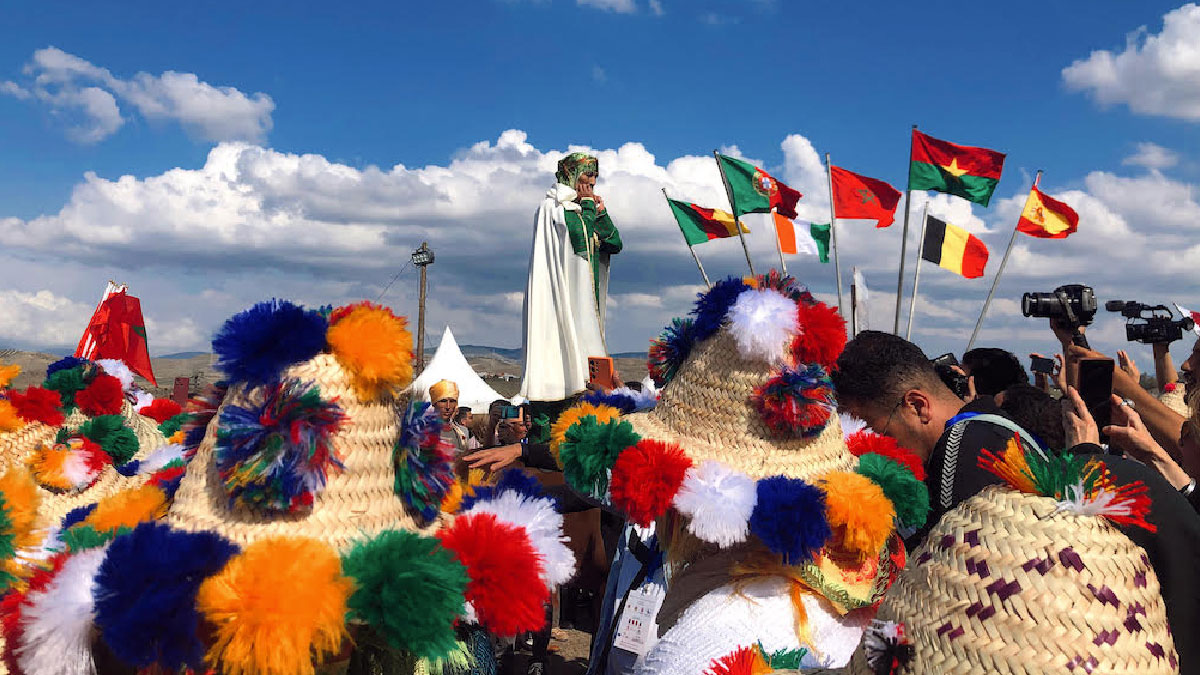
In addition to Andalusi classical music, folk styles such as malhun—a form of sung poetry—and gnawa rhythms contribute to Tangier’s vibrant soundscape. These genres often accompany local festivals and religious celebrations, where music and dance serve as modes of communal expression and spiritual connection.
One prime cultural event is the annual Tanjazz Festival, where jazz fusions blend with regional styles, highlighting the city’s ongoing tradition of musical openness and innovation. Tourists attending such events can witness how the traditions of Tangier are not static relics, but living practices continuously evolving with contemporary creativity.
Traditional Experiences and Outdoor Activities: Connecting with Nature and Heritage
Beyond the urban cultural core, the traditions of Tangier extend into the surrounding landscapes, inviting visitors to engage with both nature and local heritage. Horseback riding along the mountain trails overlooking the Strait of Gibraltar offers not only scenic views but also a sense of the historical ways locals interacted with the land. Whether beginner or experienced, horseback riders can explore coastal paths and rural villages, gaining a more tangible connection to the region’s traditions. Activities such as Horseback Riding Tangier exemplify how cultural immersion can be combined with active exploration.
For travelers interested in personalized explorations, private guided day trips provide flexible itineraries that highlight culturally significant sites like the lighthouse at Cap Spartel, ancient caves, and traditional Berber markets. These excursions reveal facets of northern Moroccan traditions often overlooked in conventional tours. The opportunity to stop in small villages or artisan workshops further enriches understanding of local customs and crafts.
Accommodations Reflecting Local Hospitality Traditions
Acquiring a true sense of Tangier’s traditions is deeply enhanced by where and how visitors choose to stay. While the city accommodates a range of options, some stand out for their blend of comfort with cultural authenticity.
The Blue Resort offers a modern, relaxation-focused setting near the coastline, ideal for travelers seeking a calm environment infused with local ambiance. For families or visitors planning longer stays, Mnar Castle provides spacious residences with sea views and resort-style amenities that balance tradition and modernity.
In the heart of the city, the boutique El Toro Hotel serves both leisure and business travelers, combining a central location with access to Tangier’s cultural highlights. For those who prefer immersion in the historic Medina, the Riad Sultana’s traditional riad accommodations offer a window into Moroccan hospitality traditions, from beautifully decorated common spaces to personalized service that embodies local guest customs.
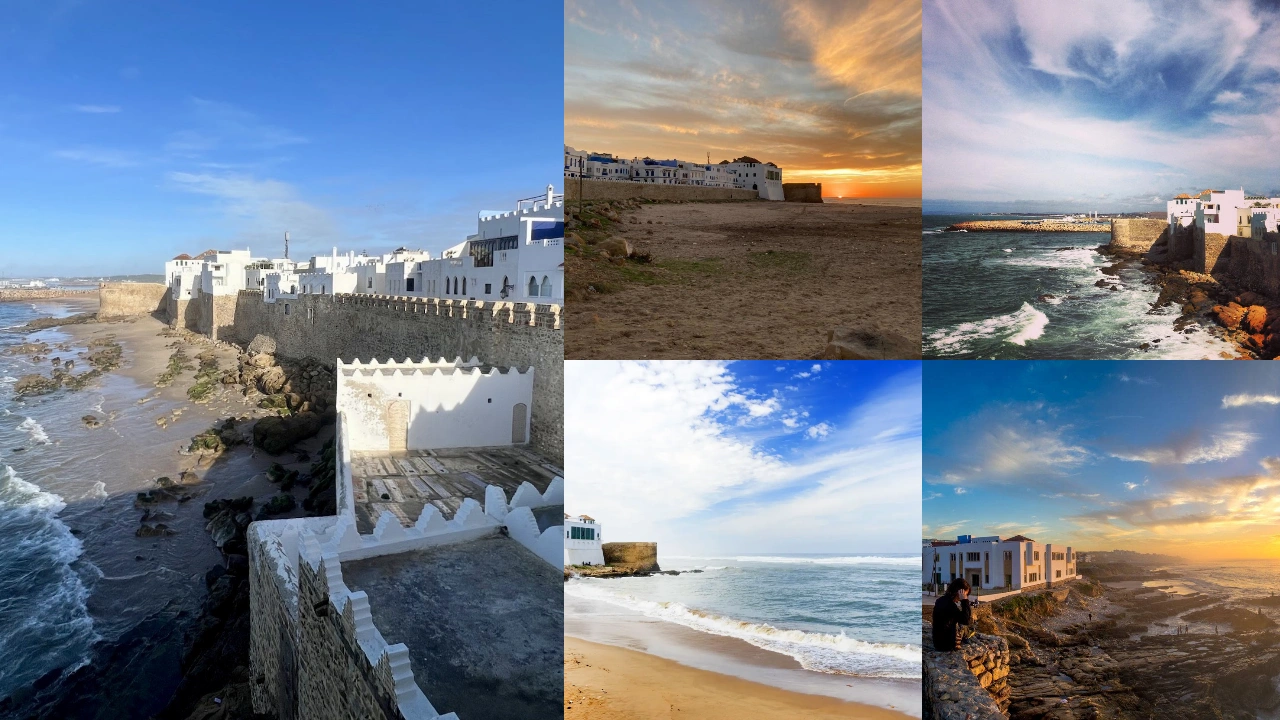
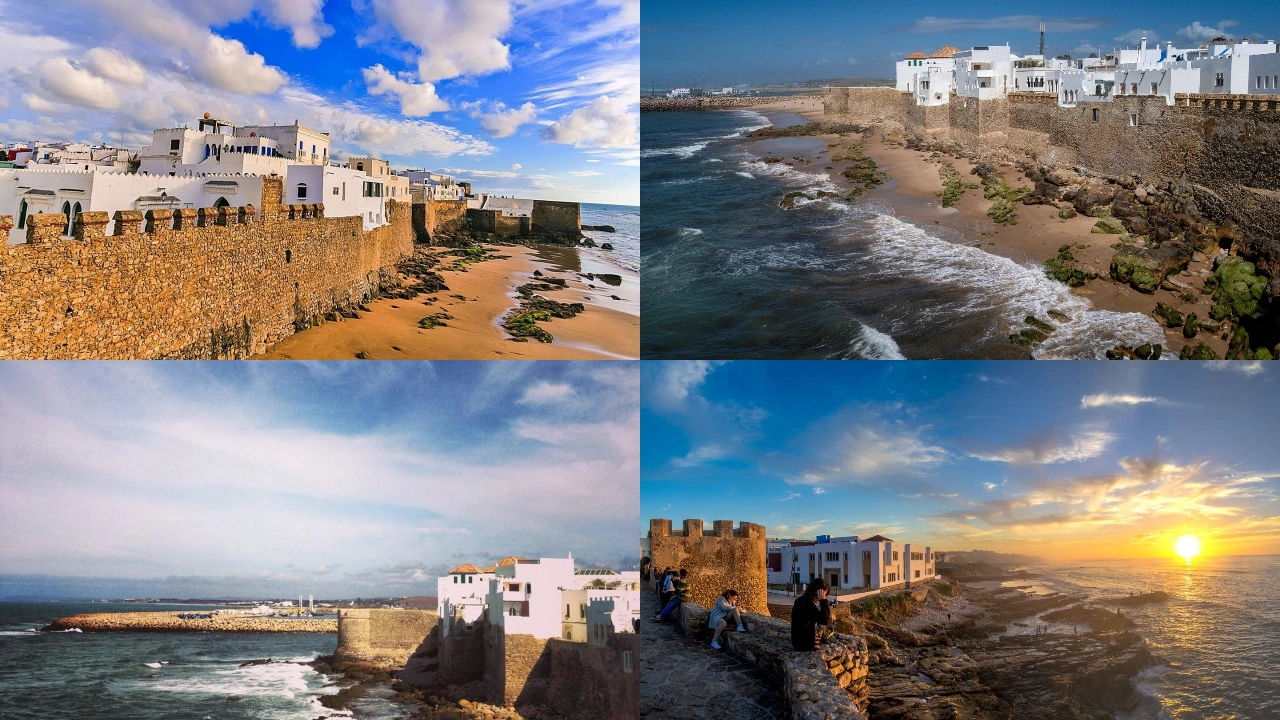
For visitors planning stays in nearby Asilah, the Asilah32 AppartHotel and Riad Asilah 32 provide authentic accommodations that blend comfort with the charm of a coastal medina town rich in arts and culture.
Respecting Local Customs: Practical Tips for Travelers
Understanding and respecting the traditions of Tangier goes beyond observations; it involves mindful participation in social customs. For example, greetings in Tangier typically involve warm handshakes or cheek kisses among acquaintances, reflecting hospitality and connection. It is advisable for travelers to dress modestly, especially when visiting religious or traditional sites, as a sign of respect.
During Ramadan, the Islamic month of fasting, visitors should be considerate of local customs regarding eating and drinking in public during daylight hours. Participating in or observing Iftar—the breaking of the fast at sunset—can offer an insightful cultural experience, connecting travelers to the rhythms of community life.
Language also plays a role in cultural immersion. While Arabic and Berber are the official languages, French is widely spoken, and many in the tourism sector understand English. Learning a few greetings or phrases in Arabic or Berber can foster positive interactions and demonstrate respect for local culture.
Transportation and Getting Around
Navigating Tangier’s dynamic neighborhoods and surrounding areas is facilitated by a variety of transport options. For groups or families, private transfer services provide reliable and convenient transportation, especially when coordinating visits to cultural sites that may be outside the city center. Platforms listing such services ensure that travelers can access reputable and comfortable options suited to different needs.
Taxis, petit taxis within the city, and shared vans are common means for individual travelers to experience local life while getting around. Walking, especially within the Medina and Kasbah, remains one of the best ways to absorb the city’s atmosphere and discover hidden cultural gems.
Conclusion: Embracing the Living Traditions of Tangier
Exploring the traditions of Tangier reveals a city where history, culture, and daily life intertwine seamlessly. From ancient medina streets and music festivals to culinary customs and artisanal crafts, Tangier’s cultural landscape offers travelers a multifaceted and enriching experience grounded in centuries of tradition and ongoing vitality.
For visitors, grounding their journey in an appreciation of these traditions fosters deeper understanding and meaningful connections with the local community. Accommodations that reflect authentic hospitality and thoughtfully curated activities provide gateways to engaging with Tangier’s ever-evolving cultural identity.
If you’re planning a trip to Northern Morocco, platforms like ExpertBook serve as useful starting points for discovering stays that capture local charm as well as experiences that illuminate the region’s rich traditions of Tangier. Connecting with these resources helps ensure your visit honors and embraces the cultural heritage that makes Tangier truly unique.
Frequently Asked Questions
What are the best times to visit Tangier?
The best times to visit Tangier are during spring (March to May) and fall (September to November) when the weather is mild and pleasant for exploring the city.
What should I wear in Tangier?
Visitors should dress modestly, particularly when visiting religious sites. Lightweight and breathable clothing is recommended due to warm weather, along with comfortable footwear for walking on cobbled streets.
Are there any local customs I should know?
Yes, it is important to respect local customs, such as greeting people warmly and dressing modestly. Understanding and participating in local traditions can enhance your experience.
What cuisine is Tangier known for?
Tangier is known for its unique blend of Moroccan, Andalusian, and Mediterranean cuisines, including seafood dishes, tagines, couscous, and various local specialties.
How can I explore local culture in Tangier?
You can explore local culture in Tangier by visiting the Medina and Kasbah, participating in culinary classes, attending music festivals, and engaging with local artisans in workshops.