
Estimated reading time: 7 minutes
- Discover the rich history of Tangier through its diverse cultural influences.
- Explore essential historical sites and landmarks around the Medina.
- Engage in local experiences that enhance your understanding of Moroccan culture.
- Find accommodations that allow easy access to historical attractions.
- Get practical tips for navigating Tangier’s historic sites.
Table of contents
- What to See in Tangier: Starting Your Historical Journey
- Exploring Historical Sites and Landmarks Near the Medina
- Experiences and Activities to Complement the Historical Itinerary
- Accommodation Recommendations Near the Medina
- Getting Around and Practical Tips
- Conclusion
What to See in Tangier: Starting Your Historical Journey
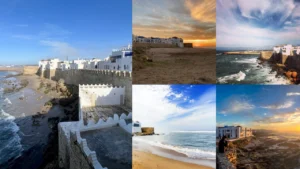
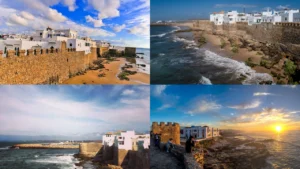
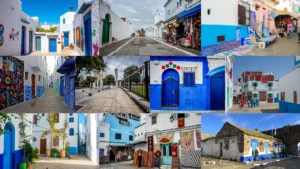
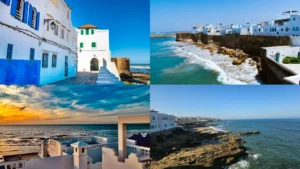
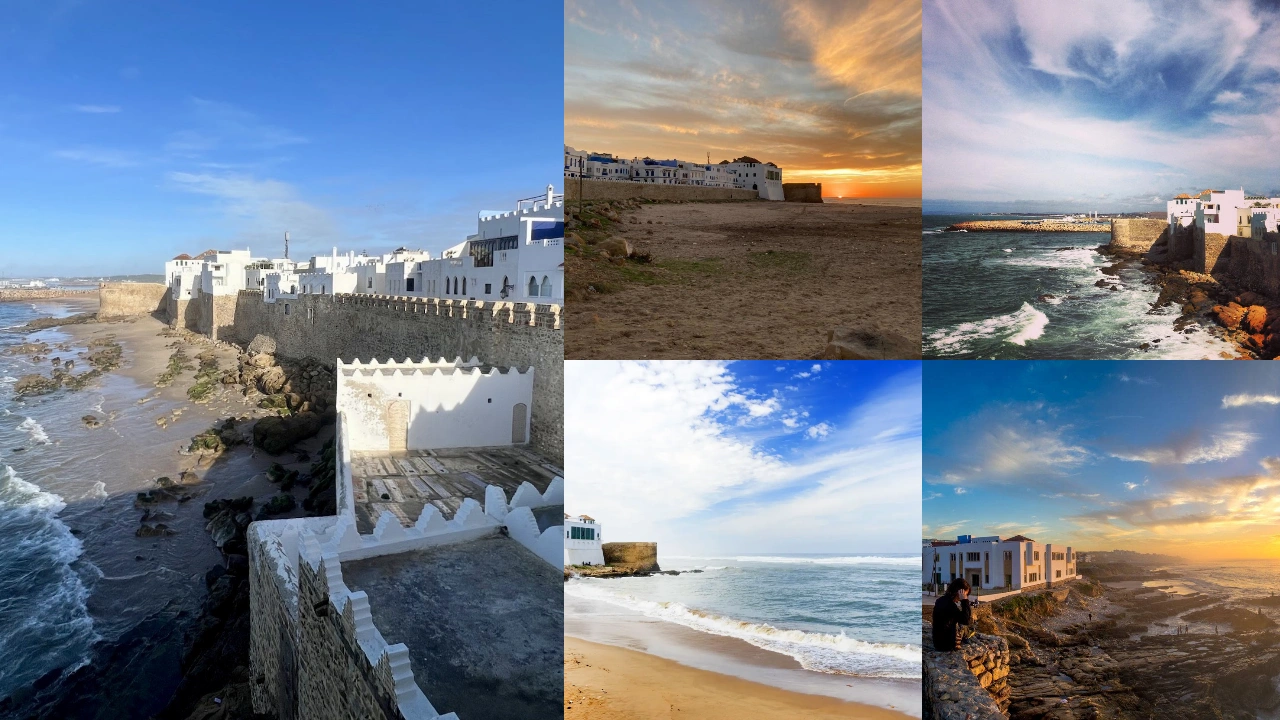
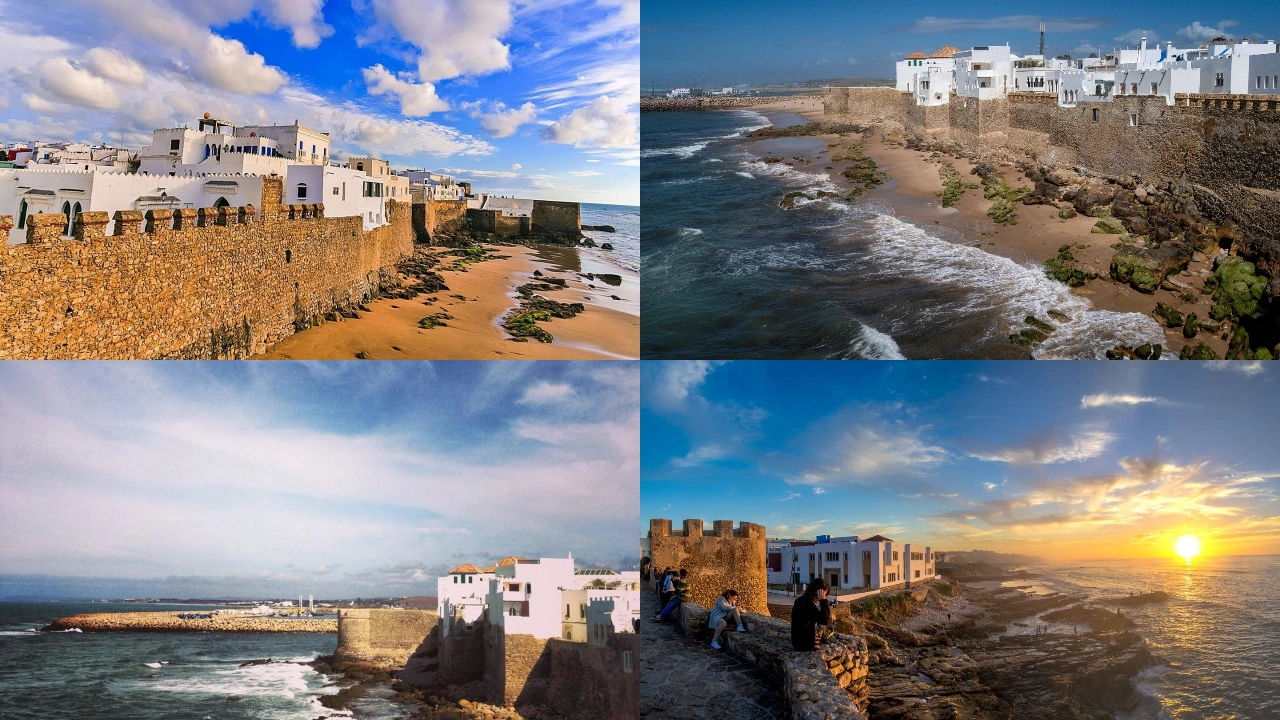
The Medina of Tangier itself is a gateway to the city’s past. Walled by ancient fortifications and lined with traditional markets, mosques, and residences, the Medina presents an authentic glimpse into Tangier’s historic urban fabric. Begin your exploration near the old city walls, where history greets you at every turn.
First on the list is the Kasbah, situated at the highest point of the Medina. This fortified district was built to serve as the seat of power in Tangier, especially during the era of the Sultan’s rule. The Kasbah Museum, housed in the former Sultan’s palace Dar el-Makhzen, offers extensive collections of Moroccan art, archaeological artifacts, and historical exhibits that vividly illustrate the city’s layered past. From here, panoramic views of the Strait of Gibraltar and the old port area reward visitors with a stunning visual context of Tangier’s strategic maritime significance.
Wandering through the narrow, winding alleys of the Kasbah, travelers will find the ancient Kasbah Mosque, an exquisite example of Islamic architecture with its elegant minaret and serene courtyard. This area is adjacent to the Mendoubia Gardens, a peaceful urban green space with centuries-old trees and a monument dedicated to Moroccan diplomacy.
Next, venture just outside the Kasbah gates to the Grand Socco (Sultan’s Square). This lively plaza has been the epicenter of social life in Tangier for generations and historically served as the connection between the old Medina and the newer European quarters. Nearby, the Petit Socco stands out as a smaller square once frequented by famous writers and artists, adding a layer of cultural history to the area’s heritage appeal.
Exploring Historical Sites and Landmarks Near the Medina
A short walk from the Medina leads visitors to the American Legation Museum, a unique site nestled in the medina’s heart. The American Legation is the only U.S. National Historic Landmark located abroad and symbolizes the longstanding historical and diplomatic ties between Tangier and the United States. The building itself is an 18th-century former diplomatic post, filled with exhibits on Moroccan-American relations, Orientalist art, and manuscripts.
Another essential stop is the Church of St. Andrew, built in the early 20th century with a striking neo-Gothic style contrasted with Moorish design elements. Located close to the Medina, this church is a testament to Tangier’s multicultural past, reflecting the blend of European influences that have shaped the city’s architectural landscape.
For those keen on Roman history, a brief trip slightly beyond the Medina’s western edge brings you to the Caves of Hercules near Cape Spartel, which is only about 14 kilometers from Tangier’s center. While not inside the Medina, these caves are intertwined with mythological and ancient histories, believed to be Hercules’ resting place. The coastal views here, coupled with rich folklore, add a memorable dimension to any historical itinerary.
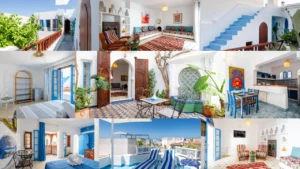
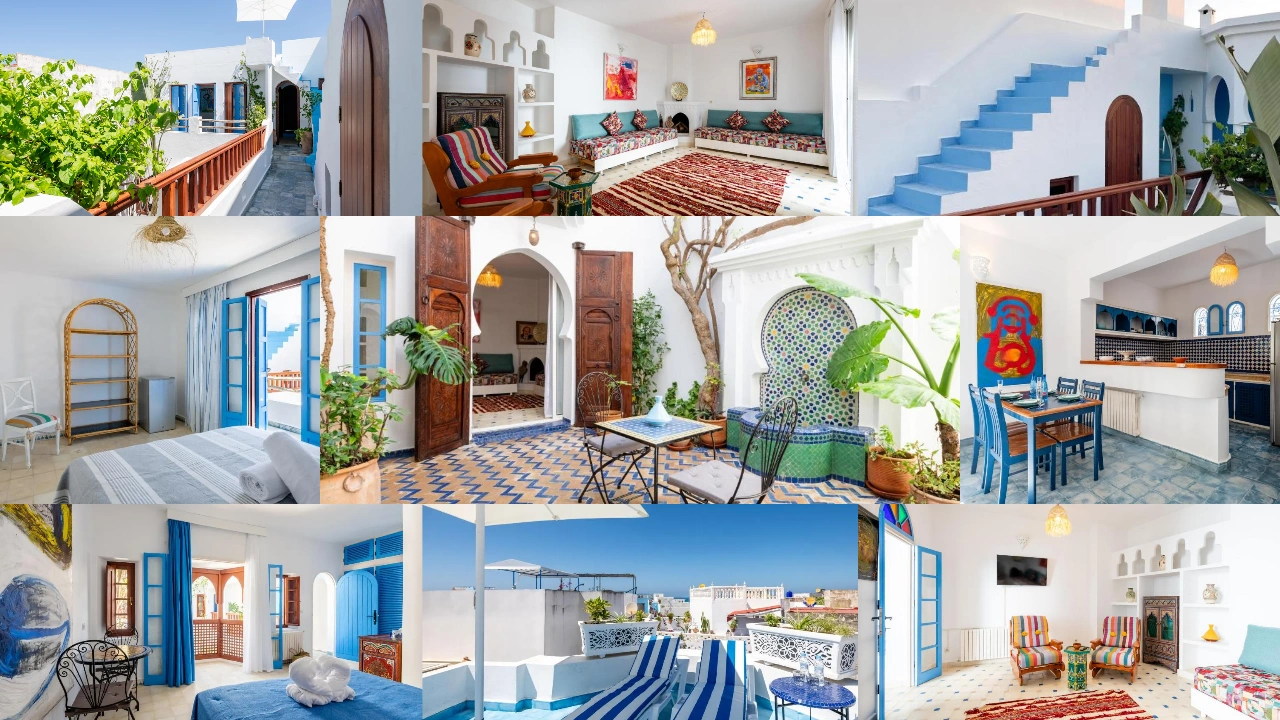
Tangier’s historic medina is also home to numerous traditional riads and houses, many of which have been preserved to maintain their original character. Staying in a place like Riad Sultana offers an immersive experience where guests can appreciate the authentic Moroccan lifestyle within the medina’s historic walls.
Experiences and Activities to Complement the Historical Itinerary
To deepen your understanding of the local culture intertwined with history, engaging in experiential activities linked to the medina can be rewarding. For instance, markets around the Medina provide an opportunity not only to shop but to see daily life in motion. Travelers often rely on platforms like ExpertBook to arrange guided tours that navigate the medina’s labyrinthine alleys, helping visitors discover hidden treasures and historical anecdotes that often go unnoticed.
Cooking classes centered on traditional Moroccan cuisine are another way to connect with the city’s culture. One option worth exploring is the Fish Pick Cook experience, where participants select fresh seafood at Tangier’s port market before preparing a Moroccan meal with a chef. Combining culinary skills with an understanding of local ingredients enhances appreciation for the city’s Mediterranean heritage.
For visitors with a keen interest in events or conferences, locations such as the Hôtel Étoile du Nord, well situated near the medina, provide venues for business travelers that combine historical ambiance with practical amenities.
Accommodation Recommendations Near the Medina
When planning where to stay in Tangier to maximize proximity to historical sights, the choices vary from boutique city hotels to traditional riads. El Toro Hotel, located conveniently close to the medina, caters well to both leisure and business travelers, offering comfort within a central location that’s ideal for daily excursions.
For those seeking a resort-style environment amid the historic setting, the Blue Resort presents a modern option with relaxation and leisure-focused amenities, situated in a calm area still accessible to the medina and city center.
Meanwhile, for families or extended stays, properties like Mnar Castle provide spacious units with sea views and a balance of resort amenities and proximity to historical sites near the medina.
Getting Around and Practical Tips
Tangier’s historical sites near the medina are mostly walkable, but some travelers prefer using local transport to cover longer distances, such as the trip to Cape Spartel or the Caves of Hercules. Private transfer services are widely used among families and corporate groups for their reliability and convenience, especially when time is limited.
The best time to visit Tangier to comfortably explore outdoor historical sites and the medina is between spring and early autumn when the weather is warm but not excessively hot. Avoiding the peak of summer reduces discomfort while wandering the winding alleys or waiting in open squares.
Local tip: The medina’s topography includes some steep and cobbled sections, so comfortable walking shoes are essential. Early mornings tend to be quieter at the main landmarks, offering a more peaceful experience before the afternoon crowds arrive.
Conclusion
For those looking to immerse themselves in the historical ambiance of Tangier, focusing on sites near the medina offers a rich itinerary that blends architecture, culture, and daily life. From the commanding views and heritage of the Kasbah to the diplomatic story told by the American Legation and the bustling energy of the Grand Socco, every corner has a story to tell. Complementing these visits with local experiences such as traditional riads stays and culinary activities enhances the journey and provides a deeper appreciation of what to see in Tangier.
Planning a trip to Northern Morocco often involves exploring historical and cultural gems, and travelers often use ExpertBook to arrange accommodations, experiences, and transfers that connect them smoothly to the city’s heritage sites. If you’re planning a trip, ExpertBook is a useful starting point for stays and activities in Northern Morocco.
FAQ
What are the must-see historical sites in Tangier?
Must-see historical sites in Tangier include the Kasbah, the American Legation Museum, and the Church of St. Andrew, among others, as these sites represent the city’s rich multicultural history.
When is the best time to visit Tangier?
The best time to visit Tangier is between spring and early autumn, as the weather is warm and comfortable for exploring outdoor historical sites.
How can I get around Tangier?
You can get around Tangier mostly by walking, as historical sites near the medina are walkable. For longer distances, local transport and private transfer services are available.
What defines the Medina in Tangier?
The Medina of Tangier is characterized by its narrow winding streets, ancient fortifications, traditional markets, and significant historical architecture that reflects the city’s rich cultural tapestry.